





How a Rotary Drum Pelletizer Can Transform Your Agricultural Efficiency
Release time:
Aug 22,2025
How a Rotary Drum Pelletizer Can Enhance Your Agricultural Efficiency Table of Contents Introduction to Rotary Drum Pelletizers What is a Rotary Drum Pelletizer? Benefits of Using Rotary Drum Pelletizers Increased Efficiency in Production Improved Product Quality Resource Optimization and Cost Reduction How Rotary Drum Pelletiz
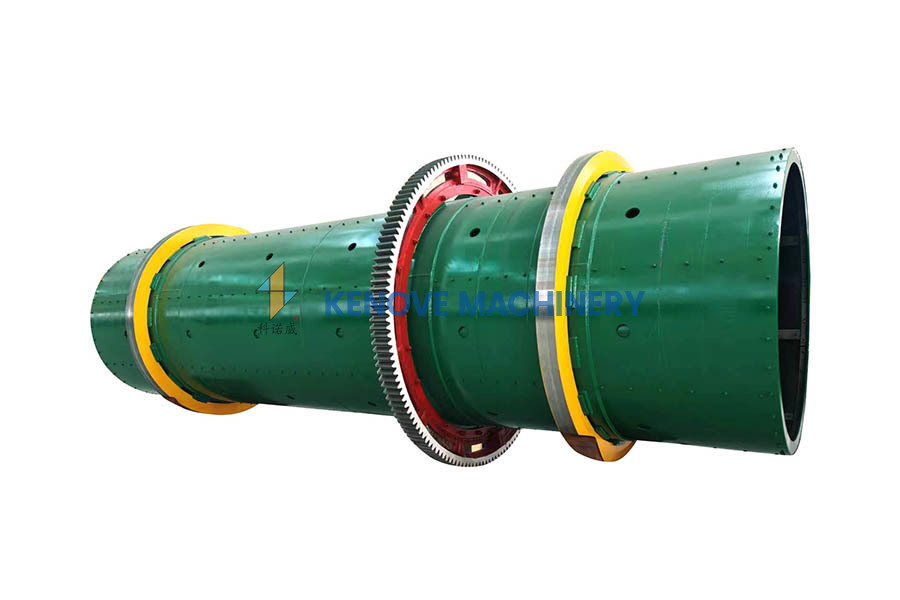
How a Rotary Drum Pelletizer Can Enhance Your Agricultural Efficiency
Table of Contents
- Introduction to Rotary Drum Pelletizers
- What is a Rotary Drum Pelletizer?
- Benefits of Using Rotary Drum Pelletizers
- Increased Efficiency in Production
- Improved Product Quality
- Resource Optimization and Cost Reduction
- How Rotary Drum Pelletizers Work
- Applications of Rotary Drum Pelletizers in Agriculture
- Choosing the Right Rotary Drum Pelletizer for Your Needs
- Maintenance and Care for Rotary Drum Pelletizers
- Conclusion
- FAQs
Introduction to Rotary Drum Pelletizers
In the ever-evolving world of agriculture, efficiency and productivity are paramount. Farmers and agribusinesses are continually seeking innovative technologies to enhance their operations. One such technology that has gained significant traction is the rotary drum pelletizer. This piece of machinery not only facilitates the efficient processing of various agricultural products but also contributes to sustainability efforts by reducing waste.
What is a Rotary Drum Pelletizer?
A rotary drum pelletizer is a type of equipment used for agglomerating powdered materials into uniform pellets. This device operates on the principle of combining raw materials, moisture, and heat to form compact pellets. The materials are fed into a rotating drum, where they are subjected to pressure and heat, leading to the formation of pellets. This method of pelletization is widely used in agriculture due to its effectiveness and adaptability to different materials.
Benefits of Using Rotary Drum Pelletizers
Utilizing rotary drum pelletizers can bring about several significant advantages for agricultural businesses. Let’s delve deeper into these benefits.
Increased Efficiency in Production
One of the most notable benefits of rotary drum pelletizers is their ability to streamline production processes. By efficiently converting raw materials into pellets, these machines can significantly reduce processing time and labor costs. This increase in efficiency allows farmers to produce larger quantities of goods in a shorter timeframe, thereby meeting market demands more effectively.
Improved Product Quality
The uniformity of pellets produced by rotary drum pelletizers often results in higher quality products. Pellets are easier to handle, transport, and store compared to loose powders. Moreover, the pelletization process can enhance the digestibility of animal feeds, leading to better nutritional uptake and health outcomes for livestock. This improved product quality can also enhance marketability and customer satisfaction.
Resource Optimization and Cost Reduction
By minimizing material waste and maximizing resource use, rotary drum pelletizers contribute to significant cost savings. The ability to process various raw materials, including by-products and waste, means that farmers can optimize their resources more effectively. This not only reduces operational costs but also promotes sustainable agricultural practices.
How Rotary Drum Pelletizers Work
Understanding how rotary drum pelletizers function is essential for maximizing their potential benefits.
The Pelletizing Process Explained
The pelletizing process begins with the preparation of raw materials, which are typically ground to a specific particle size. These materials are then mixed with a binding agent, usually water or steam, to achieve the desired moisture content.
Once the mixture is ready, it is fed into the rotating drum. Inside the drum, the materials undergo compression and shear forces, which facilitate the formation of pellets. The heat generated during this process helps to fuse the particles together, creating durable pellets. After the pellets are formed, they are cooled and subsequently screened to ensure uniform size and quality.
Materials Used in Rotary Drum Pelletizers
Rotary drum pelletizers are versatile and can process a wide range of materials, including:
- Grains and cereals for animal feed
- Biomass materials such as wood chips and agricultural residues
- Fertilizer components for enhanced nutrient delivery
This adaptability allows agricultural operations to utilize a variety of inputs, thereby maximizing efficiency and sustainability.
Applications of Rotary Drum Pelletizers in Agriculture
The applications of rotary drum pelletizers in agriculture are diverse and impactful. Below are some of the primary uses.
Animal Feed Production
Rotary drum pelletizers are widely used in the production of animal feed. They enable the efficient processing of grains, legumes, and other feed components into pellets that are more digestible and easier for animals to consume. This process not only improves animal health and growth rates but also enhances feed storage and transportation.
Biomass Pellets
In the realm of renewable energy, rotary drum pelletizers play a crucial role in producing biomass pellets. These pellets serve as a sustainable alternative to fossil fuels and can be used for heating, electricity generation, and even as a source of biofuel. The efficient processing of agricultural residues into biomass pellets contributes to reducing carbon footprints and promoting energy independence.
Fertilizer Pellets
The capacity to produce high-quality fertilizer pellets is another significant application of rotary drum pelletizers. These pellets can be tailored to meet specific nutrient requirements, allowing farmers to optimize fertilizer use for different crops. The uniform size and composition of fertilizer pellets make them easier to apply and enhance nutrient delivery to plants.
Choosing the Right Rotary Drum Pelletizer for Your Needs
When selecting a rotary drum pelletizer, various factors should be considered to ensure that it meets your operational needs. Key considerations include:
- **Size and Capacity**: Determine the production capacity required to meet your operational demands.
- **Material Compatibility**: Ensure that the pelletizer can effectively process the types of materials you plan to use.
- **Durability and Maintenance**: Look for durable designs that require minimal maintenance to reduce downtime.
Consulting with manufacturers and reviewing specifications can help you make an informed decision.
Maintenance and Care for Rotary Drum Pelletizers
Proper maintenance is crucial for ensuring the longevity and efficiency of rotary drum pelletizers. Key maintenance practices include:
- **Regular Inspections**: Routine checks of the machine components can help identify wear and tear early on.
- **Lubrication**: Ensure that moving parts are adequately lubricated to prevent friction and damage.
- **Cleaning**: Regular cleaning of the pelletizer minimizes contamination and maintains product quality.
Implementing a robust maintenance schedule can significantly extend the lifespan of your equipment.
Conclusion
In conclusion, the integration of a rotary drum pelletizer into agricultural practices can significantly enhance efficiency, product quality, and resource optimization. By understanding how these machines work and their various applications, farmers can leverage their capabilities to meet modern agricultural demands effectively. Investing in a rotary drum pelletizer not only drives productivity but also supports sustainable practices, making it a valuable asset in the agricultural sector.
FAQs
1. What materials can be processed in a rotary drum pelletizer?
Rotary drum pelletizers can process various materials, including grains, biomass, and fertilizer components.
2. How does a rotary drum pelletizer improve feed quality?
By producing uniform pellets, the pelletizer enhances the digestibility of animal feeds, leading to better nutritional uptake.
3. What are the maintenance requirements for rotary drum pelletizers?
Regular inspections, lubrication, and cleaning are essential maintenance practices to ensure optimal performance.
4. Can rotary drum pelletizers be used for biomass production?
Yes, they are widely used to produce biomass pellets, which serve as a renewable energy source.
5. How does the pelletizing process work?
The process involves mixing raw materials with a binding agent, followed by compression and heat application in a rotating drum to form pellets.
Contact Us
Intersection of Yinhua Road And Fengshan Road,Pingyi County, Linyi City,Shandong,China
