





Urea Melting Tanks: Revolutionizing Crop Nutrition Efficiency
Release time:
Oct 16,2026
Urea Melting Tanks: A Game-Changer for Efficient Crop Nutrition Table of Contents 1. Introduction to Urea Melting Tanks 2. Benefits of Using Urea Melting Tanks 3. How Urea Melting Tanks Work 4. Applications of Urea Melting Tanks in Agriculture 5. Impact on Crop Nutrition 6. Enhancing Sustainability in Farming 7. Challenges and Considerations 8. The Future of Urea M
Urea Melting Tanks: A Game-Changer for Efficient Crop Nutrition
Table of Contents
- 1. Introduction to Urea Melting Tanks
- 2. Benefits of Using Urea Melting Tanks
- 3. How Urea Melting Tanks Work
- 4. Applications of Urea Melting Tanks in Agriculture
- 5. Impact on Crop Nutrition
- 6. Enhancing Sustainability in Farming
- 7. Challenges and Considerations
- 8. The Future of Urea Melting Tanks in Agriculture
- 9. Frequently Asked Questions
- 10. Conclusion
1. Introduction to Urea Melting Tanks
Urea is a vital nitrogen source for crops, playing a pivotal role in enhancing growth and yield. As the agricultural sector faces challenges related to soil nutrient management, Urea Melting Tanks have emerged as an innovative solution. These tanks facilitate efficient nutrient application, ensuring crops receive the necessary sustenance for optimal growth. In this article, we will explore the transformative benefits of Urea Melting Tanks in modern agriculture.
2. Benefits of Using Urea Melting Tanks
The adoption of Urea Melting Tanks provides numerous advantages that significantly enhance agricultural productivity. Some key benefits include:
2.1 Improved Nutrient Efficiency
By enabling precise control over urea application, Urea Melting Tanks ensure that crops receive the right amount of nutrients when they need them most. This targeted approach minimizes nutrient wastage and maximizes crop uptake.
2.2 Cost-Effectiveness
Implementing Urea Melting Tanks can lead to substantial cost savings for farmers. By optimizing the use of fertilizers, farmers can reduce input costs while still enhancing crop yields.
2.3 Reduced Environmental Impact
Urea Melting Tanks help mitigate the environmental impact of fertilizer application. By minimizing runoff and leaching, these tanks contribute to more sustainable agricultural practices, preserving soil and water quality.
3. How Urea Melting Tanks Work
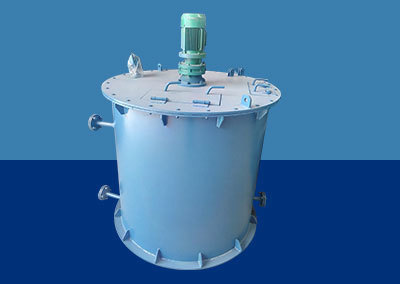
Understanding the operational mechanism of Urea Melting Tanks is crucial for harnessing their full potential. These tanks utilize a combination of temperature control and agitation to melt solid urea into a liquid form, which can then be easily applied to crops.
3.1 The Melting Process
The urea melting process begins with placing solid urea into the tank, where it is subjected to controlled heating. As the temperature rises, the solid urea gradually transitions into a liquid state. Agitation within the tank ensures uniform melting and prevents the formation of clumps.
3.2 Application Methods
Once melted, the urea solution can be applied through various methods, including fertigation, foliar spraying, and direct soil application. This versatility allows farmers to tailor their nutrient delivery strategies based on specific crop needs.
4. Applications of Urea Melting Tanks in Agriculture
Urea Melting Tanks are versatile tools that can be adapted for various agricultural applications. Here are some of the primary uses:
4.1 Fertigation in Irrigation Systems
Integrating Urea Melting Tanks with irrigation systems allows for efficient fertigation, where nutrients are delivered directly through the water supply. This method ensures that crops receive nutrients uniformly and consistently.
4.2 Foliar Feeding
Foliar feeding involves applying the urea solution directly to plant leaves. This method enhances nutrient absorption and is particularly effective during critical growth stages.
4.3 Soil Application
Direct application of the melted urea solution to the soil provides immediate access to nutrients for root uptake. This method is beneficial for crops that require quick nutrient availability.
5. Impact on Crop Nutrition
The introduction of Urea Melting Tanks has significantly impacted crop nutrition, leading to improved growth and yields. By ensuring timely and efficient nutrient delivery, these tanks help farmers achieve their production goals.
5.1 Enhanced Crop Growth
With optimized nutrient availability, crops can grow healthier and stronger. This leads to increased biomass and improved quality, ultimately enhancing marketability.
5.2 Higher Crop Yields
Farmers who utilize Urea Melting Tanks often report higher crop yields due to the efficient nutrient management these systems facilitate. The combination of precise application and timely delivery ensures that crops receive the necessary nutrients for growth.
6. Enhancing Sustainability in Farming
As the agricultural sector faces mounting pressure to adopt sustainable practices, Urea Melting Tanks play a crucial role in addressing these concerns. By promoting efficient nutrient use, these tanks contribute to more sustainable farming systems.
6.1 Minimizing Fertilizer Waste
By allowing for precise application, Urea Melting Tanks help reduce fertilizer waste, which is essential for conserving resources and protecting the environment.
6.2 Supporting Soil Health
Sustainable nutrient management practices supported by Urea Melting Tanks help maintain soil health, ensuring long-term productivity and sustainability of agricultural lands.
7. Challenges and Considerations
Despite the numerous benefits, there are challenges associated with the adoption of Urea Melting Tanks. Understanding these challenges is essential for successful implementation.
7.1 Initial Investment Costs
While Urea Melting Tanks can lead to long-term savings, the initial investment may be a barrier for some farmers. It is crucial to assess the return on investment before making such a purchase.
7.2 Training and Maintenance
Proper training is necessary for operators to effectively use and maintain Urea Melting Tanks. Regular maintenance is also key to ensuring optimal performance and longevity of the equipment.
8. The Future of Urea Melting Tanks in Agriculture
As technology continues to advance, the future of Urea Melting Tanks looks promising. Innovations in materials and design may enhance efficiency and functionality, making these tanks even more valuable for farmers.
8.1 Integration with Smart Farming Technologies
The integration of Urea Melting Tanks with smart farming technologies, such as precision agriculture and data analytics, could revolutionize nutrient management practices. This synergy will enable farmers to make data-driven decisions for optimal crop performance.
8.2 Enhanced Sustainability Practices
Continued focus on sustainability will likely drive the development of more efficient Urea Melting Tanks, contributing to broader efforts to reduce the environmental impact of agriculture.
9. Frequently Asked Questions
9.1 What is a Urea Melting Tank?
A Urea Melting Tank is a specialized system designed to melt solid urea into a liquid form for efficient nutrient application in agriculture.
9.2 How does a Urea Melting Tank work?
The tank uses controlled heating and agitation to melt solid urea into a liquid solution, which can then be applied to crops through various methods.
9.3 What are the benefits of using Urea Melting Tanks?
Benefits include improved nutrient efficiency, cost savings, and reduced environmental impact through minimized fertilizer waste.
9.4 Can Urea Melting Tanks be used with irrigation systems?
Yes, Urea Melting Tanks can be integrated with irrigation systems for fertigation, allowing for efficient nutrient delivery.
9.5 Are there challenges in adopting Urea Melting Tanks?
Challenges may include initial investment costs and the need for proper training and maintenance for effective operation.
10. Conclusion
Urea Melting Tanks represent a significant advancement in agricultural technology, enhancing crop nutrition efficiency and supporting sustainable farming practices. By improving nutrient delivery and minimizing waste, these tanks enable farmers to achieve higher yields and healthier crops. As we look to the future, the integration of Urea Melting Tanks with innovative technologies will further revolutionize agriculture, ensuring that we meet the growing food demands of our global population while preserving our precious natural resources. Embracing these advancements will be key to building a more sustainable and productive agricultural landscape.
Contact Us
Intersection of Yinhua Road And Fengshan Road,Pingyi County, Linyi City,Shandong,China
