





FS Cage Pulverizers: Creating a Competitive Edge in the Market
Release time:
Dec 10,2025
FS Cage Pulverizers: Creating a Competitive Edge in the Market Table of Contents 1. Introduction to FS Cage Pulverizers 2. What Are Cage Pulverizers? 3. How Do Cage Pulverizers Work? 4. Advantages of FS Cage Pulverizers 5. Applications of Cage Pulverizers in Various Industries 6. Choosing the Right FS Cage Pulverizer 7. Maintenance Best Practices for Optimal Performanc
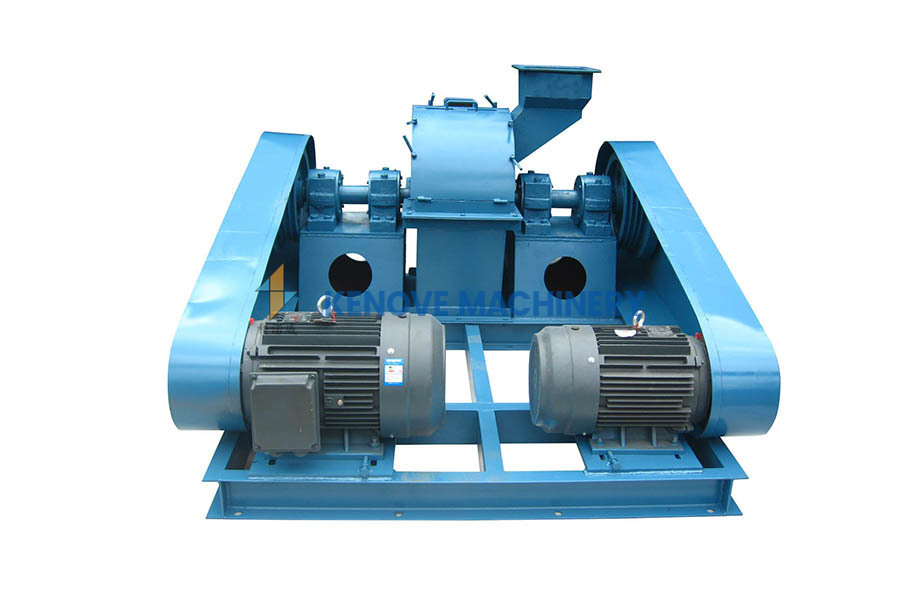
FS Cage Pulverizers: Creating a Competitive Edge in the Market
Table of Contents
- 1. Introduction to FS Cage Pulverizers
- 2. What Are Cage Pulverizers?
- 3. How Do Cage Pulverizers Work?
- 4. Advantages of FS Cage Pulverizers
- 5. Applications of Cage Pulverizers in Various Industries
- 6. Choosing the Right FS Cage Pulverizer
- 7. Maintenance Best Practices for Optimal Performance
- 8. Future Trends in Pulverization Technology
- 9. Frequently Asked Questions
- 10. Conclusion
1. Introduction to FS Cage Pulverizers
The manufacturing industry is constantly evolving, requiring efficient and advanced machinery to maintain competitiveness. Among the essential tools in material processing are FS Cage Pulverizers. These machines are designed to efficiently crush and process a variety of materials, providing a significant edge in production capabilities. In our exploration of FS Cage Pulverizers, we will delve into their functionality, advantages, and the role they play in enhancing operational efficiency.
2. What Are Cage Pulverizers?
FS Cage Pulverizers are specialized machines used in the grinding and crushing of various materials. They operate on the principle of impact and shear forces to break down materials into finer particles. Unlike traditional pulverizers, cage pulverizers utilize a cage-like structure that provides a unique mechanism for efficient size reduction. The design typically includes a rotating cage that contains multiple blades or bars, which crush and shear the material fed into the machine.
Understanding the Design and Mechanism
The cage design of these pulverizers allows for a continuous flow of material, reducing the risk of clogging and ensuring a consistent output. The high-speed rotation generates centrifugal force, effectively displacing the material against the cage walls, which results in efficient pulverization. As materials are processed, they are subjected to both impact and shear forces, leading to a uniform particle size distribution.
3. How Do Cage Pulverizers Work?
The operational efficiency of FS Cage Pulverizers can be attributed to their sophisticated design and operational principles. Upon loading the material into the machine, it is subjected to a series of rapid impacts and shearing actions as the cage rotates.
Process Flow
- **Material Feeding**: The material is introduced into the pulverizer through a feeding chute.
- **Impact and Shear**: The rotating cage induces high-speed impacts, breaking the material down into smaller pieces. Additionally, the shearing action ensures that materials are finely ground to the desired size.
- **Particle Size Control**: Adjustable screens or grates at the outlet allow for customization of particle sizes, making the cage pulverizer versatile for different applications.
- **Discharge of Finished Product**: Once the material is pulverized to the desired consistency, it is expelled from the machine through the discharge chute.
4. Advantages of FS Cage Pulverizers
FS Cage Pulverizers offer several advantages that make them an indispensable tool in the manufacturing sector.
Enhanced Efficiency
These machines are designed for high throughput, allowing manufacturers to process large volumes of material quickly, thereby increasing productivity. The ability to adjust the particle size without changing setups further enhances operational efficiency.
Improved Product Quality
By providing a consistent particle size and uniform distribution, FS Cage Pulverizers contribute to the overall quality of the final product. This precision is crucial in applications where uniformity is key, such as in pharmaceuticals or food processing.
Energy Efficiency
The design of cage pulverizers emphasizes energy efficiency. By utilizing centrifugal forces and optimizing the grinding process, these machines consume less energy compared to traditional pulverizers, resulting in lower operational costs.
Reduced Maintenance Requirements
The robust construction of FS Cage Pulverizers minimizes wear and tear, leading to reduced maintenance needs. The design allows for easy access to components, facilitating quick repairs and maintenance routines.
5. Applications of Cage Pulverizers in Various Industries
FS Cage Pulverizers find applications across diverse industries due to their versatility and efficiency.
Construction and Building Materials
In the construction industry, cage pulverizers are used to crush materials such as concrete, asphalt, and bricks, facilitating recycling and reuse. Their ability to handle tough materials makes them valuable in producing aggregates for new construction projects.
Food and Beverage Processing
Cage pulverizers are employed in food processing to grind spices, grains, and other ingredients. The precise control over particle size ensures that food products meet quality standards and enhance flavor profiles.
Pharmaceuticals
In the pharmaceutical sector, consistent particle size is critical for dosage accuracy. FS Cage Pulverizers play a vital role in the grinding of active ingredients, ensuring that the end products are effective and meet regulatory standards.
Mining and Minerals
The mining industry utilizes cage pulverizers for the processing of ores and minerals. Their capability to reduce hard materials into fine powders makes them essential for mineral extraction and processing.
6. Choosing the Right FS Cage Pulverizer
Selecting the appropriate FS Cage Pulverizer involves considering several key factors to meet specific operational needs.
Material Type
Understanding the materials to be processed is crucial. Different materials may require varying settings and configurations for optimal performance.
Throughput Requirements
Assessing the volume of material to be processed will guide the selection of a pulverizer with an appropriate capacity. Higher throughput capabilities are necessary for large-scale operations.
Particle Size Specifications
Define the desired particle size for the end product. Different models of cage pulverizers offer various options for adjusting particle size.
Budget Considerations
Evaluate the budget available for purchasing a pulverizer. While initial costs are important, considering long-term operational efficiency and maintenance costs is equally vital.
7. Maintenance Best Practices for Optimal Performance
To ensure that FS Cage Pulverizers operate at peak performance, implementing the following maintenance best practices is essential.
Regular Inspections
Conduct routine inspections of the pulverizer to identify any wear and tear. Check critical components, including blades, bearings, and screens, for signs of damage.
Lubrication
Maintain proper lubrication of moving parts to reduce friction and prevent overheating. This practice extends the lifespan of the machine and ensures smooth operation.
Cleaning Protocols
Establish a cleaning routine to prevent material buildup and contamination. Regular cleaning enhances the quality of processed materials and reduces the risk of mechanical issues.
Operator Training
Ensure that operators are well-trained in the operation and maintenance of the machine. Proper training minimizes the chances of operational mishaps and prolongs the equipment's lifespan.
8. Future Trends in Pulverization Technology
As technology advances, the pulverization industry is witnessing several trends that may redefine the market.
Automation and Smart Technology
The incorporation of automation into cage pulverizers will enhance operational efficiency. Smart technology allows for real-time monitoring of performance metrics, leading to more informed operational decisions.
Eco-Friendly Solutions
With an increasing focus on sustainability, the demand for eco-friendly pulverization technologies is on the rise. Future developments will likely emphasize energy efficiency and reduced environmental impact.
Customization and Flexibility
The future of pulverization may also involve customizable machines that can be adapted to varying material types and production requirements, providing manufacturers with greater flexibility.
9. Frequently Asked Questions
What materials can FS Cage Pulverizers process?
FS Cage Pulverizers can process a wide range of materials, including minerals, food products, and construction materials. They are versatile and can handle both hard and soft substances.
How do I determine the appropriate size for my cage pulverizer?
Assess your production needs, including the volume of material to be processed and the desired particle size. Consulting with manufacturers can help identify the right model for specific requirements.
What maintenance is required for cage pulverizers?
Regular inspections, lubrication, cleaning, and operator training are essential to maintain the performance and longevity of cage pulverizers.
Are FS Cage Pulverizers energy efficient?
Yes, FS Cage Pulverizers are designed to be energy efficient, consuming less power compared to traditional pulverizing equipment, which can lead to cost savings in the long run.
Can cage pulverizers handle wet materials?
While FS Cage Pulverizers can process some moist materials, it is essential to consult the manufacturer to ensure compatibility with specific wet materials to avoid operational issues.
10. Conclusion
FS Cage Pulverizers represent a significant advancement in the field of material processing, offering numerous benefits that enhance operational efficiency and product quality. Their unique design and operational mechanism provide manufacturers with a powerful tool for achieving a competitive edge in the market. By understanding their functionality, advantages, and maintenance requirements, businesses can make informed decisions that will lead to improved productivity and profitability. Embracing these innovative machines will position organizations favorably in an ever-evolving manufacturing landscape.
Contact Us
Intersection of Yinhua Road And Fengshan Road,Pingyi County, Linyi City,Shandong,China
