





The Essential Guide to ZDS Vibrating Screens in Manufacturing and Processing
Release time:
Dec 15,2025
--- In the manufacturing and processing machinery sector, particularly in crushing and sorting applications, the ZDS Vibrating Screen plays a pivotal role in enhancing operational efficiency. These vibrating screens are designed to separate materials based on size and density, ensuring that the right materials are processed effectively in various industrial applications. The ZDS Vibrating Screen o
---
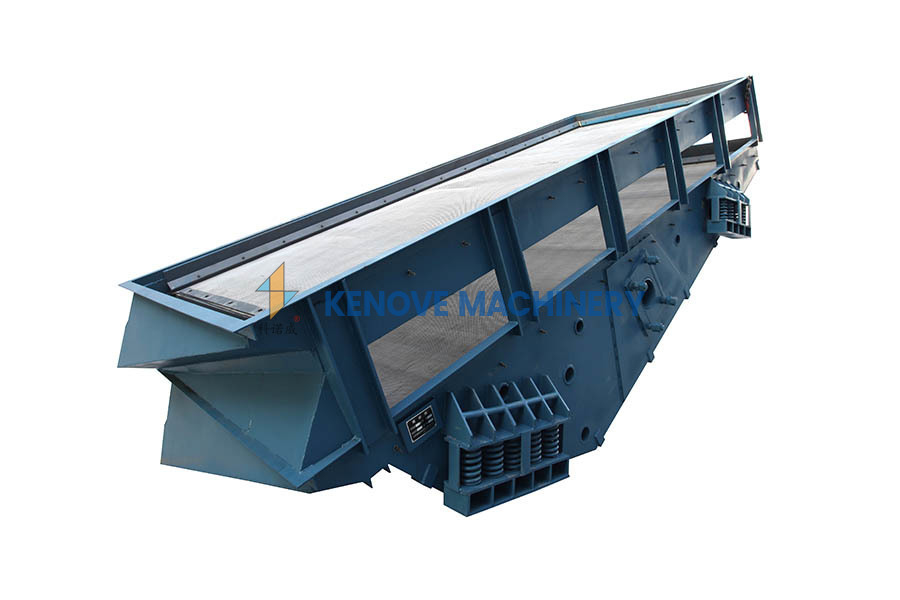
In the manufacturing and processing machinery sector, particularly in crushing and sorting applications, the ZDS Vibrating Screen plays a pivotal role in enhancing operational efficiency. These vibrating screens are designed to separate materials based on size and density, ensuring that the right materials are processed effectively in various industrial applications.
The ZDS Vibrating Screen operates on the principle of vibration, which enables the efficient separation of particles. The screen’s surface is equipped with multiple layers or screens of varying mesh sizes, allowing operators to sort materials into different fractions. This is crucial in industries where precise material separation is necessary, such as mining, recycling, and aggregate production.
One of the key advantages of the ZDS Vibrating Screen is its ability to handle a wide range of materials, from fine powders to coarse aggregates. This versatility makes it suitable for various applications, including the separation of sand, gravel, coal, and ores. Moreover, the adjustable vibration frequency allows operators to optimize the screening process based on the material characteristics and desired separation efficiency.
Durability is another significant aspect of ZDS Vibrating Screens. Built to withstand demanding conditions, these machines are often constructed from high-quality materials that resist wear and tear. This ensures a longer service life and minimizes maintenance needs, ultimately contributing to lower operational costs for manufacturers.
In addition to durability, ZDS Vibrating Screens are designed with energy efficiency in mind. The use of advanced motor technology and vibration control mechanisms helps reduce energy consumption while maintaining high performance. This is particularly important in today's manufacturing environment, where energy costs can significantly impact overall profitability.
When integrating a ZDS Vibrating Screen into your operation, it’s crucial to consider the specific requirements of your material and process. Factors such as the type of material, required separation size, and throughput capacity should all be evaluated to ensure optimal machine selection and setup. Collaborating with experienced engineers or consultants can help streamline this process and enhance overall production efficiency.
In summary, the ZDS Vibrating Screen is an indispensable tool in the manufacturing and processing machinery industry. Its ability to efficiently separate materials, coupled with durability and energy efficiency, makes it a preferred choice for companies looking to enhance their operations. By understanding the functionalities and advantages of ZDS Vibrating Screens, industry professionals can make informed decisions that will lead to improved productivity and cost-effectiveness in their processes.
In the manufacturing and processing machinery sector, particularly in crushing and sorting applications, the ZDS Vibrating Screen plays a pivotal role in enhancing operational efficiency. These vibrating screens are designed to separate materials based on size and density, ensuring that the right materials are processed effectively in various industrial applications.
The ZDS Vibrating Screen operates on the principle of vibration, which enables the efficient separation of particles. The screen’s surface is equipped with multiple layers or screens of varying mesh sizes, allowing operators to sort materials into different fractions. This is crucial in industries where precise material separation is necessary, such as mining, recycling, and aggregate production.
One of the key advantages of the ZDS Vibrating Screen is its ability to handle a wide range of materials, from fine powders to coarse aggregates. This versatility makes it suitable for various applications, including the separation of sand, gravel, coal, and ores. Moreover, the adjustable vibration frequency allows operators to optimize the screening process based on the material characteristics and desired separation efficiency.
Durability is another significant aspect of ZDS Vibrating Screens. Built to withstand demanding conditions, these machines are often constructed from high-quality materials that resist wear and tear. This ensures a longer service life and minimizes maintenance needs, ultimately contributing to lower operational costs for manufacturers.
In addition to durability, ZDS Vibrating Screens are designed with energy efficiency in mind. The use of advanced motor technology and vibration control mechanisms helps reduce energy consumption while maintaining high performance. This is particularly important in today's manufacturing environment, where energy costs can significantly impact overall profitability.
When integrating a ZDS Vibrating Screen into your operation, it’s crucial to consider the specific requirements of your material and process. Factors such as the type of material, required separation size, and throughput capacity should all be evaluated to ensure optimal machine selection and setup. Collaborating with experienced engineers or consultants can help streamline this process and enhance overall production efficiency.
In summary, the ZDS Vibrating Screen is an indispensable tool in the manufacturing and processing machinery industry. Its ability to efficiently separate materials, coupled with durability and energy efficiency, makes it a preferred choice for companies looking to enhance their operations. By understanding the functionalities and advantages of ZDS Vibrating Screens, industry professionals can make informed decisions that will lead to improved productivity and cost-effectiveness in their processes.
Contact Us
Intersection of Yinhua Road And Fengshan Road,Pingyi County, Linyi City,Shandong,China
