





Maximizing Efficiency: How Urea Melting Tanks Revolutionize Fertilizer Application
Release time:
Dec 20,2025
Maximizing Efficiency: How Urea Melting Tanks Revolutionize Fertilizer Application Table of Contents 1. Introduction to Urea Melting Tanks 2. Understanding Urea Fertilizer and Its Importance 3. The Role of Melting Tanks in Fertilizer Application 4. Benefits of Urea Melting Tanks for Farmers 5. Improving Efficiency in Fertilizer Application 6. The Sustainability Aspect of U
Maximizing Efficiency: How Urea Melting Tanks Revolutionize Fertilizer Application
Table of Contents
- 1. Introduction to Urea Melting Tanks
- 2. Understanding Urea Fertilizer and Its Importance
- 3. The Role of Melting Tanks in Fertilizer Application
- 4. Benefits of Urea Melting Tanks for Farmers
- 5. Improving Efficiency in Fertilizer Application
- 6. The Sustainability Aspect of Urea Melting Tanks
- 7. The Future of Fertilizer Application Technology
- 8. Frequently Asked Questions
- 9. Conclusion
1. Introduction to Urea Melting Tanks
In the realm of modern agriculture, efficiency and sustainability are paramount. Among the innovations that have emerged to meet these needs are **urea melting tanks**. These specialized pieces of equipment are designed to transform solid urea into a liquid form, facilitating easier application during the fertilization process. By understanding urea melting tanks, we can better appreciate their impact on agricultural practices and crop yields.
2. Understanding Urea Fertilizer and Its Importance
Urea is one of the most widely used nitrogen fertilizers globally, favored for its high nitrogen content and cost-effectiveness. As a key nutrient for plant growth, nitrogen derived from urea significantly enhances crop productivity. However, applying urea in its solid form can lead to issues such as uneven distribution, lower absorption rates, and increased risk of nitrogen loss through volatilization.
### The Composition of Urea
Urea, chemically known as CO(NH2)2, contains approximately **46% nitrogen**, making it an essential component for crops needing nitrogen replenishment. Its high solubility in water allows for quick nutrient uptake by plants when applied correctly.
### The Challenges of Traditional Application Methods
Traditional methods of applying solid urea fertilizers often result in challenges, including:
- **Inconsistent application rates**
- **Increased labor costs**
- **Environmental concerns related to runoff and nitrogen loss**
3. The Role of Melting Tanks in Fertilizer Application
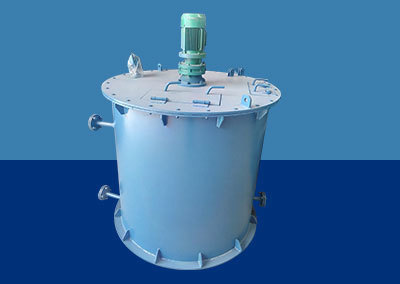
Urea melting tanks play a crucial role in overcoming the challenges of solid urea application. These tanks are designed to heat solid urea, melting it into a liquid solution that can be easily applied through various methods such as drip irrigation or spraying.
### How Urea Melting Tanks Operate
The operational process of urea melting tanks involves:
1. **Loading solid urea into the tank**: The tank is filled with urea pellets.
2. **Heating the urea**: Using controlled heating mechanisms, the tank raises the temperature to melt the solid urea.
3. **Stirring and mixing**: A stirring mechanism ensures even melting and prevents clumping.
4. **Discharge**: The liquid urea can then be pumped out for application.
4. Benefits of Urea Melting Tanks for Farmers
The adoption of urea melting tanks offers numerous advantages for farmers, significantly impacting their productivity and operational efficiency.
### Enhanced Application Efficiency
By converting solid urea into liquid form, melting tanks allow for more uniform and precise application. Liquid fertilizers can be distributed evenly across fields, ensuring that crops receive the required nutrients without wastage.
### Reduced Nitrogen Loss
Liquid urea is less prone to volatilization compared to its solid counterpart. By using urea melting tanks, farmers can minimize nitrogen loss, thereby enhancing nutrient efficiency and crop performance.
### Cost-Effectiveness
While the initial investment in melting tanks may appear significant, the long-term savings associated with reduced fertilizer wastage, labor efficiency, and improved crop yields outweigh the costs. Farmers can achieve a better return on investment through reliable crop performance.
5. Improving Efficiency in Fertilizer Application
Efficiency in fertilizer application goes beyond merely converting solid urea to liquid. It encompasses the entire process of nutrient management, from planning to execution.
### Precision Agriculture Techniques
Integrating urea melting tanks with precision agriculture techniques can further enhance efficiency. **GPS technology**, remote sensing, and data analytics can help farmers determine the optimal times and rates for fertilizer application, ensuring that nutrients are applied only when and where needed.
### Automation in Fertilizer Application
The modernization of agricultural equipment, including automated application systems that utilize liquid urea, streamlines the fertilization process. **Autonomous tractors** and drones equipped with liquid fertilizer applicators can significantly reduce labor costs and improve precision.
6. The Sustainability Aspect of Urea Melting Tanks
Sustainability is a critical consideration in today's agricultural landscape. Urea melting tanks contribute positively to sustainable farming practices in several ways.
### Reducing Environmental Impact
By minimizing nitrogen loss and ensuring more efficient nutrient delivery, urea melting tanks help reduce the environmental impact of fertilizer application. This efficiency leads to lower rates of runoff into nearby water sources, which can cause eutrophication.
### Supporting Sustainable Farming Practices
Sustainable farming practices aim to balance economic viability with environmental stewardship. Urea melting tanks align with these practices by promoting responsible nutrient management, ultimately leading to healthier soil and ecosystems.
7. The Future of Fertilizer Application Technology
As agricultural technology continues to advance, the future of fertilizer application looks promising. Innovations in urea melting tank design and functionality are likely to emerge, offering even greater efficiencies and sustainability.
### Emerging Technologies
The integration of artificial intelligence and machine learning in agricultural practices can lead to smarter fertilizer management. These technologies can analyze real-time data on soil health, crop requirements, and environmental conditions to optimize fertilizer applications.
### Enhanced Urea Formulations
Future developments may also include advanced formulations of urea that enhance nutrient release rates, further improving crop uptake and minimizing losses. Researchers are continually exploring ways to develop fertilizers that align with both agricultural demands and environmental considerations.
8. Frequently Asked Questions
1. What are urea melting tanks?
Urea melting tanks are specialized equipment designed to melt solid urea fertilizer into a liquid form for easier and more efficient application.
2. How do urea melting tanks improve fertilizer application?
They enhance application efficiency by providing uniform nutrient distribution, reducing nitrogen loss, and allowing for precise application through various methods.
3. Are urea melting tanks cost-effective?
While the initial investment can be high, the long-term benefits of reduced fertilizer wastage and improved crop yields can lead to significant cost savings.
4. What is the environmental impact of using urea melting tanks?
Urea melting tanks help minimize nitrogen loss and runoff, reducing the environmental impact of fertilizer application and supporting sustainable farming practices.
5. What technologies can be integrated with urea melting tanks?
Technologies such as precision agriculture, automation, and advanced data analytics can be integrated to enhance the efficiency and effectiveness of fertilizer application.
9. Conclusion
In conclusion, urea melting tanks represent a significant advancement in the field of agricultural technology, addressing the challenges associated with solid urea fertilizer application. By providing enhanced efficiency, reducing environmental impact, and supporting sustainable farming practices, these tanks revolutionize how fertilizers are applied in modern agriculture. As we continue to embrace innovation and technology in farming, the role of urea melting tanks will undoubtedly grow, leading to better crop yields and a more sustainable future for agriculture.
Contact Us
Intersection of Yinhua Road And Fengshan Road,Pingyi County, Linyi City,Shandong,China
