





Rotary Blanking Valve: Enhancing Efficiency in Agricultural Operations
Release time:
Dec 30,2025
The Role of Rotary Blanking Valves in Modern Agriculture In the constantly evolving world of agriculture, efficiency and reliability are at the forefront of farming operations. One critical component that has emerged as a game-changer is the **Rotary Blanking Valve**. This essential device not only improves the performance of various agricultural machinery but also enhances overall productivity. I
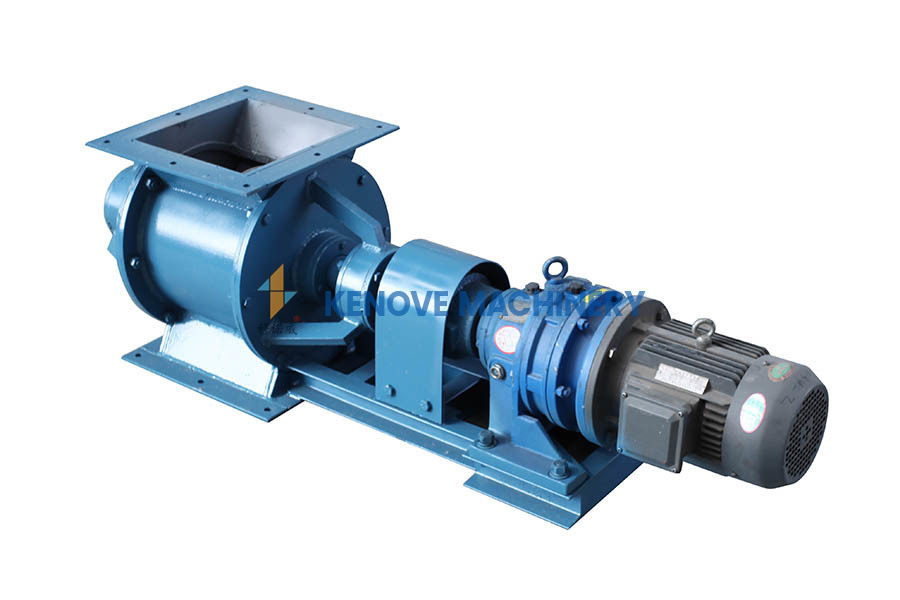
The Role of Rotary Blanking Valves in Modern Agriculture
In the constantly evolving world of agriculture, efficiency and reliability are at the forefront of farming operations. One critical component that has emerged as a game-changer is the **Rotary Blanking Valve**. This essential device not only improves the performance of various agricultural machinery but also enhances overall productivity. In this article, we will delve deep into the intricacies of rotary blanking valves, examining their features, benefits, applications, and the impact they have on modern agricultural practices.
Understanding the Basics: What is a Rotary Blanking Valve?
A **Rotary Blanking Valve** is designed to control the flow of liquids and gases in agricultural machinery. Its unique rotary mechanism allows for precise flow regulation, making it ideal for applications that require quick and accurate changes in flow direction. By effectively blanking off sections of a system, these valves help in isolating specific channels without the need to dismantle equipment, thereby saving time and minimizing downtime during operations.
The Mechanism Behind Rotary Blanking Valves
To appreciate the functionality of rotary blanking valves, it is essential to understand their mechanism. These valves typically consist of:
- **A Rotating Disc:** The core component that allows for the opening and closing of flow channels.
- **Sealing Components:** Ensuring airtight and leak-proof operations.
- **Actuators:** These can be manual or automated, providing ease of operation.
When the disc rotates, it either allows fluid to pass through or blocks the flow entirely, thus providing complete control over the system.
Key Features of Rotary Blanking Valves
Rotary blanking valves come with several features that set them apart from traditional valves:
1. **Compact Design:** Their streamlined structure allows for easy installation in tight spaces.
2. **Durability:** Constructed from robust materials, they are designed to withstand harsh agricultural conditions.
3. **Low Maintenance:** With fewer moving parts, these valves require less frequent maintenance.
4. **Versatility:** Suitable for a variety of applications including irrigation systems and chemical spraying.
Benefits of Using Rotary Blanking Valves in Agriculture
The implementation of rotary blanking valves can lead to significant improvements in agricultural operations. Here are some key benefits:
1. Enhanced Efficiency
By enabling farmers to quickly isolate sections of their systems, these valves minimize interruptions during operations. This efficiency translates into higher productivity levels, allowing for more work to be completed in less time.
2. Cost Savings
Reduced downtime and maintenance needs result in significant cost savings for agricultural businesses. The ability to quickly adjust flow rates also ensures optimal resource usage, further cutting down on expenses.
3. Improved Precision in Operations
The precise control offered by rotary blanking valves ensures that irrigation and chemical applications are administered accurately. This precision not only maximizes yield but also minimizes waste, promoting sustainable practices.
4. Greater System Longevity
With effective flow control and reduced wear and tear on components, rotary blanking valves contribute to the longevity of agricultural machinery. This longevity, in turn, leads to lower replacement costs and a more sustainable operation.
Applications of Rotary Blanking Valves in Agriculture
Rotary blanking valves have a wide range of applications in agricultural operations. Here are some notable uses:
1. Irrigation Systems
In irrigation setups, rotary blanking valves facilitate the management of water flow, allowing for quick adjustments that respond to changing crop needs. This responsive management leads to better water conservation and crop health.
2. Chemical Spraying Equipment
For equipment used in pesticide and fertilizer applications, these valves ensure that products are delivered precisely where needed. This targeted application reduces the risk of chemical runoff and enhances environmental safety.
3. Harvesting Machinery
In harvesting equipment, rotary blanking valves help control the flow of material, making the process more efficient and reducing the likelihood of jams or equipment failure.
4. Fuel Systems
In machines that require fuel, these valves help manage fuel flow, ensuring that engines operate efficiently while minimizing the risk of leaks or spills.
Choosing the Right Rotary Blanking Valve for Your Needs
Selecting the appropriate rotary blanking valve involves considering several factors. Here’s what to keep in mind:
1. Material Compatibility
Ensure the valve materials are compatible with the substances they will control. Corrosion-resistant materials may be necessary for liquid fertilizers or harsh chemicals.
2. Flow Rate Requirements
Evaluate the required flow rates for your agricultural applications. The valve should be able to handle the necessary volume without excessive pressure loss.
3. Size and Dimensions
The valve size should match your existing systems. A good fit ensures optimal performance and minimizes installation challenges.
4. Actuation Method
Decide between manual and automated actuation based on your operational needs. Automated systems can enhance efficiency but may require additional investment.
Maintenance Tips for Rotary Blanking Valves
To ensure the longevity and efficiency of rotary blanking valves, regular maintenance is essential. Here are some tips:
1. Regular Inspections
Frequent checks for wear and tear can help identify problems before they lead to failures. Look for leaks, corrosion, or any signs of damage.
2. Cleaning
Keep the valve clean to prevent blockages and ensure smooth operation. Use appropriate cleaning agents based on the materials used in the valve construction.
3. Lubrication
If applicable, lubricate moving parts according to the manufacturer’s guidelines to reduce friction and extend the valve's lifespan.
4. Calibration
Regularly calibrate the valve to ensure it operates within specified flow rates and pressure conditions.
Frequently Asked Questions (FAQs)
1. What is the primary function of a rotary blanking valve?
The primary function of a rotary blanking valve is to control the flow of liquids or gases within agricultural systems, allowing for precise management of resources.
2. How do I install a rotary blanking valve?
Installation typically involves connecting the valve to your existing piping or equipment, ensuring it fits properly and is aligned with flow direction. Follow manufacturer instructions for specific details.
3. Can rotary blanking valves be used in high-pressure applications?
Yes, many rotary blanking valves are designed to handle high-pressure applications, but it is essential to check the specifications of the valve before installation.
4. How often should I maintain my rotary blanking valve?
Regular maintenance should be performed at least once every season or as specified in the manufacturer’s guidelines to ensure optimal performance.
5. Are rotary blanking valves environmentally friendly?
Yes, by promoting efficient resource management and reducing waste, rotary blanking valves contribute to more sustainable agricultural practices.
Conclusion
The **Rotary Blanking Valve** plays a crucial role in enhancing the efficiency of agricultural operations. Its ability to offer precise control over liquid and gas flows, coupled with its robust design and low maintenance needs, makes it an invaluable asset to modern farming practices. By understanding its features, applications, and maintenance requirements, farmers can significantly improve productivity, reduce costs, and contribute to sustainable agriculture. As we continue to embrace technological advancements in agriculture, the importance of efficient components like the rotary blanking valve will only grow, paving the way for a more productive and environmentally friendly future in farming.
Contact Us
Intersection of Yinhua Road And Fengshan Road,Pingyi County, Linyi City,Shandong,China
