





Understanding the Role of Urea Melting Tanks in Agricultural Applications
Release time:
Jan 14,2026
Urea Melting Tanks are specialized equipment designed to facilitate the melting of urea, a widely used nitrogen-based fertilizer in agriculture. The efficient utilization of fertilizers is crucial for optimizing crop production, and Urea Melting Tanks play an essential role in this process. Understanding the functionality and benefits of these tanks can help farmers and agricultural businesses mak
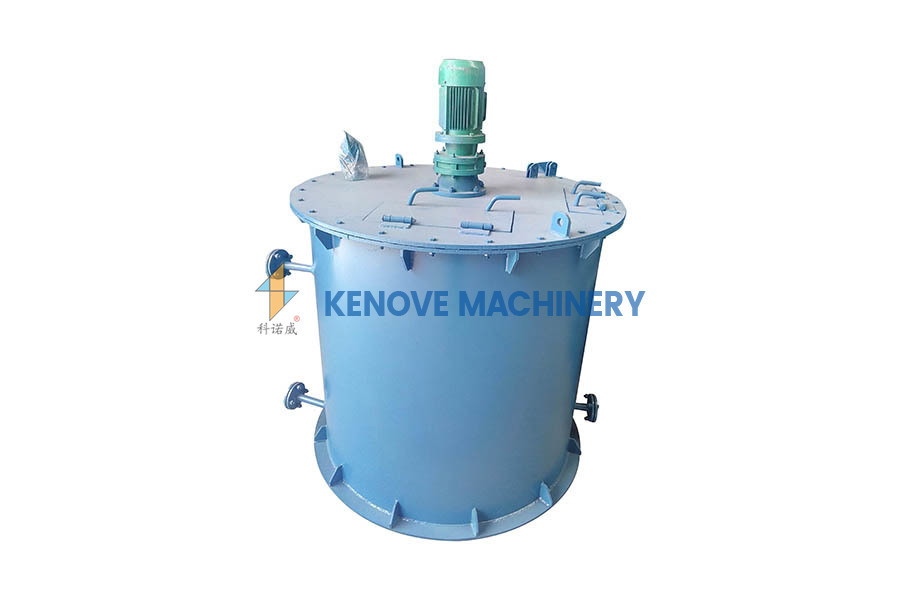
Urea Melting Tanks are specialized equipment designed to facilitate the melting of urea, a widely used nitrogen-based fertilizer in agriculture. The efficient utilization of fertilizers is crucial for optimizing crop production, and Urea Melting Tanks play an essential role in this process. Understanding the functionality and benefits of these tanks can help farmers and agricultural businesses make informed decisions about their fertilizer application strategies.
At their core, Urea Melting Tanks provide a controlled environment where solid urea is transformed into a liquid state. This transformation is vital, as liquid fertilizers are often easier to apply and mix with water for irrigation purposes. The melting process typically involves heating the solid urea, which not only ensures complete dissolution but also helps maintain the nutrient integrity of the fertilizer. By utilizing Urea Melting Tanks, agricultural practitioners can manage their fertilizer applications more effectively, leading to improved absorption by crops and reduced waste.
One of the primary advantages of using a Urea Melting Tank is the enhanced efficiency of fertilizer application. When urea is in liquid form, it can be more easily integrated into irrigation systems, allowing for uniform distribution across the fields. This uniformity is critical for ensuring that all crops receive the necessary nutrients, which can significantly boost yields. Additionally, liquid fertilizers can be more readily absorbed by plant roots, further promoting healthy growth and development.
Moreover, Urea Melting Tanks contribute to sustainable farming practices. By facilitating precise application of fertilizers, these tanks help minimize environmental impacts associated with over-fertilization, such as nutrient runoff and soil degradation. Farmers can target specific areas of their fields that require additional nutrients, reducing waste and promoting a healthier ecosystem.
It’s also important to note that Urea Melting Tanks can vary in size and capacity, making them suitable for a range of farming operations, from small family farms to large-scale agricultural enterprises. This versatility allows farmers to choose a tank that best fits their operational needs, ensuring that they can manage their fertilizer application efficiently.
In summary, Urea Melting Tanks are an integral component of modern agricultural practices, offering numerous benefits in terms of efficiency, sustainability, and crop health. By understanding how these tanks function and their role in fertilizer application, farmers can enhance their overall productivity and contribute to a more sustainable agricultural future. Embracing such technologies can lead to significant advancements in the agricultural sector, ultimately benefiting both producers and consumers alike.
At their core, Urea Melting Tanks provide a controlled environment where solid urea is transformed into a liquid state. This transformation is vital, as liquid fertilizers are often easier to apply and mix with water for irrigation purposes. The melting process typically involves heating the solid urea, which not only ensures complete dissolution but also helps maintain the nutrient integrity of the fertilizer. By utilizing Urea Melting Tanks, agricultural practitioners can manage their fertilizer applications more effectively, leading to improved absorption by crops and reduced waste.
One of the primary advantages of using a Urea Melting Tank is the enhanced efficiency of fertilizer application. When urea is in liquid form, it can be more easily integrated into irrigation systems, allowing for uniform distribution across the fields. This uniformity is critical for ensuring that all crops receive the necessary nutrients, which can significantly boost yields. Additionally, liquid fertilizers can be more readily absorbed by plant roots, further promoting healthy growth and development.
Moreover, Urea Melting Tanks contribute to sustainable farming practices. By facilitating precise application of fertilizers, these tanks help minimize environmental impacts associated with over-fertilization, such as nutrient runoff and soil degradation. Farmers can target specific areas of their fields that require additional nutrients, reducing waste and promoting a healthier ecosystem.
It’s also important to note that Urea Melting Tanks can vary in size and capacity, making them suitable for a range of farming operations, from small family farms to large-scale agricultural enterprises. This versatility allows farmers to choose a tank that best fits their operational needs, ensuring that they can manage their fertilizer application efficiently.
In summary, Urea Melting Tanks are an integral component of modern agricultural practices, offering numerous benefits in terms of efficiency, sustainability, and crop health. By understanding how these tanks function and their role in fertilizer application, farmers can enhance their overall productivity and contribute to a more sustainable agricultural future. Embracing such technologies can lead to significant advancements in the agricultural sector, ultimately benefiting both producers and consumers alike.
Contact Us
Intersection of Yinhua Road And Fengshan Road,Pingyi County, Linyi City,Shandong,China
