





Understanding the Role of Rotary Blanking Valves in Agricultural Machinery
Release time:
Jan 24,2026
In the agricultural machinery sector, the efficiency and reliability of various components are crucial for ensuring optimal performance in farming operations. One such component that plays a vital role is the rotary blanking valve. Understanding how this valve operates and its applications can provide agricultural professionals with insights into enhancing machinery performance and productivity. R
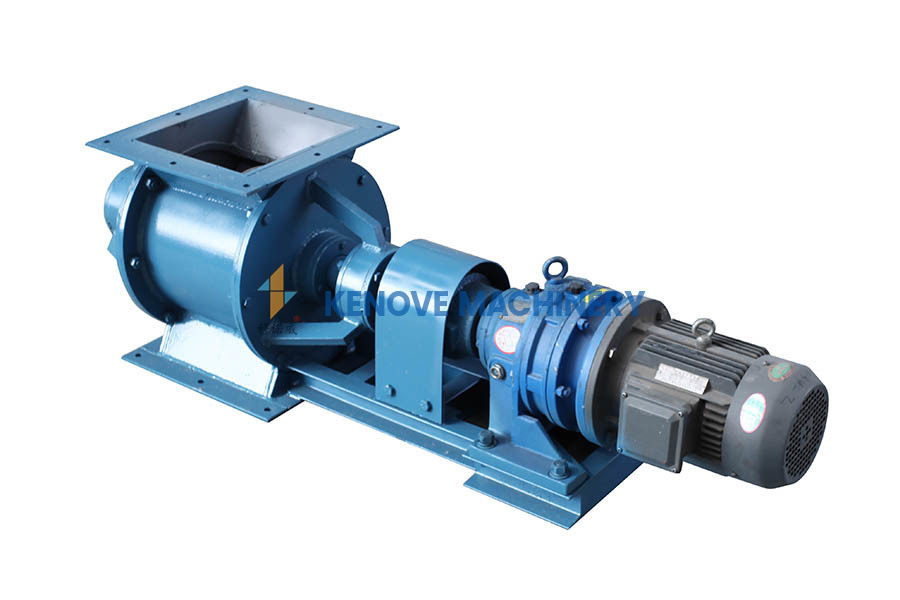
In the agricultural machinery sector, the efficiency and reliability of various components are crucial for ensuring optimal performance in farming operations. One such component that plays a vital role is the rotary blanking valve. Understanding how this valve operates and its applications can provide agricultural professionals with insights into enhancing machinery performance and productivity.
Rotary blanking valves are designed to regulate the flow of fluids within agricultural equipment, ensuring that systems work efficiently and safely. These valves are typically employed to isolate sections of fluid systems, allowing for maintenance or troubleshooting without the need to shut down the entire system. This feature is particularly beneficial in agricultural operations where downtime can lead to significant productivity losses.
The construction of a rotary blanking valve usually involves a rotating disc or plate that can be manipulated to either allow or block the flow of liquid. When the valve is engaged, the disc seals against the valve body, preventing any fluid from passing through. Conversely, rotating the disc to the open position permits fluid flow. This simple but effective mechanism is key to the valve's reliability and durability, making it a preferred choice in various agricultural applications.
One significant advantage of using rotary blanking valves in agricultural machinery is their ability to facilitate precise control over fluid systems. For instance, in irrigation systems, these valves can help manage water flow effectively, ensuring that crops receive the right amount of water while minimizing waste. This control is essential for maintaining optimal crop health and maximizing yield.
Moreover, the installation of rotary blanking valves can lead to reduced maintenance costs. By enabling specific sections of a system to be serviced without complete system shutdowns, operators can perform timely repairs and reduce the risk of extensive system failures. This proactive approach not only saves time but also enhances the longevity of the machinery.
In addition to their efficiency and maintenance benefits, rotary blanking valves contribute to safety within agricultural operations. By providing a reliable means to isolate sections of a fluid system, these valves help to mitigate the risk of leaks or spills, which can pose hazards to both workers and the environment. Adopting such safety measures is crucial in an industry focused on sustainability and responsible practices.
In conclusion, the role of rotary blanking valves in agricultural machinery cannot be overstated. Their ability to control fluid flow, enhance maintenance efficiency, and improve system safety makes them an invaluable component in modern agricultural operations. By investing in quality rotary blanking valves, agricultural professionals can ensure that their machinery operates at peak performance, ultimately contributing to a more productive and sustainable farming environment. Understanding these benefits can empower operators to make informed decisions about their machinery systems and processes.
Rotary blanking valves are designed to regulate the flow of fluids within agricultural equipment, ensuring that systems work efficiently and safely. These valves are typically employed to isolate sections of fluid systems, allowing for maintenance or troubleshooting without the need to shut down the entire system. This feature is particularly beneficial in agricultural operations where downtime can lead to significant productivity losses.
The construction of a rotary blanking valve usually involves a rotating disc or plate that can be manipulated to either allow or block the flow of liquid. When the valve is engaged, the disc seals against the valve body, preventing any fluid from passing through. Conversely, rotating the disc to the open position permits fluid flow. This simple but effective mechanism is key to the valve's reliability and durability, making it a preferred choice in various agricultural applications.
One significant advantage of using rotary blanking valves in agricultural machinery is their ability to facilitate precise control over fluid systems. For instance, in irrigation systems, these valves can help manage water flow effectively, ensuring that crops receive the right amount of water while minimizing waste. This control is essential for maintaining optimal crop health and maximizing yield.
Moreover, the installation of rotary blanking valves can lead to reduced maintenance costs. By enabling specific sections of a system to be serviced without complete system shutdowns, operators can perform timely repairs and reduce the risk of extensive system failures. This proactive approach not only saves time but also enhances the longevity of the machinery.
In addition to their efficiency and maintenance benefits, rotary blanking valves contribute to safety within agricultural operations. By providing a reliable means to isolate sections of a fluid system, these valves help to mitigate the risk of leaks or spills, which can pose hazards to both workers and the environment. Adopting such safety measures is crucial in an industry focused on sustainability and responsible practices.
In conclusion, the role of rotary blanking valves in agricultural machinery cannot be overstated. Their ability to control fluid flow, enhance maintenance efficiency, and improve system safety makes them an invaluable component in modern agricultural operations. By investing in quality rotary blanking valves, agricultural professionals can ensure that their machinery operates at peak performance, ultimately contributing to a more productive and sustainable farming environment. Understanding these benefits can empower operators to make informed decisions about their machinery systems and processes.
Contact Us
Intersection of Yinhua Road And Fengshan Road,Pingyi County, Linyi City,Shandong,China
