





The Essential Role of Urea Melting Tanks in Modern Agriculture
Release time:
Feb 08,2026
The Essential Role of Urea Melting Tanks in Modern Agriculture Introduction to Urea Melting Tanks in Agriculture In the vast landscape of modern agriculture, efficiency and sustainability are paramount. The introduction of **urea melting tanks** has revolutionized how fertilizers are utilized, leading to improved crop yields and reduced environmental impact. These specialized tanks serve a pivotal
The Essential Role of Urea Melting Tanks in Modern Agriculture
Introduction to Urea Melting Tanks in Agriculture
In the vast landscape of modern agriculture, efficiency and sustainability are paramount. The introduction of **urea melting tanks** has revolutionized how fertilizers are utilized, leading to improved crop yields and reduced environmental impact. These specialized tanks serve a pivotal role in transforming solid urea into a liquid form, making it easier to apply and optimize for various agricultural applications.
Understanding Urea and Its Importance in Agriculture
Urea, a nitrogen-rich compound, is one of the most widely used fertilizers globally. It plays a crucial role in plant metabolism, promoting growth and enhancing yield. In its solid form, urea can be challenging to handle and apply. This is where **urea melting tanks** come into play, facilitating the conversion of urea into a more manageable state.
What Are Urea Melting Tanks?
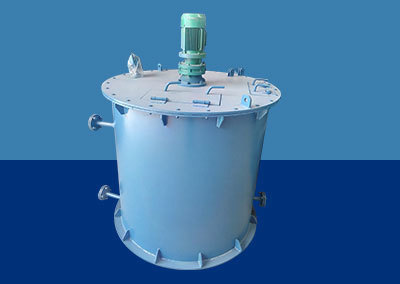
Urea melting tanks are specialized vessels designed to melt solid urea into a liquid solution. This process not only makes the fertilizer easier to apply but also improves nutrient absorption by plants. These tanks are typically equipped with heating elements and agitation systems to ensure uniform melting and consistent product quality.
How Urea Melting Tanks Operate
The operation of urea melting tanks involves several key steps:
1. **Loading Solid Urea**: The process begins with the loading of solid urea into the tank.
2. **Heating**: The tank's heating system raises the temperature to melt the urea. This is often achieved through electric or steam heating methods.
3. **Agitation**: Agitation ensures that the urea melts evenly, preventing clumping and ensuring a homogeneous liquid solution.
4. **Cooling and Storage**: Once the urea is melted, it can be cooled and stored for future use or directly applied to crops.
The Benefits of Using Urea Melting Tanks
The integration of urea melting tanks into agricultural practices offers numerous advantages:
1. Enhanced Nutrient Availability
Liquid urea allows for better nutrient availability to plants. The liquid form is easier for plants to absorb compared to solid urea, thus promoting healthier growth and higher yields.
2. Improved Efficiency in Fertilizer Application
Urea melting tanks facilitate the precise application of fertilizers. Farmers can utilize advanced application techniques, such as fertigation, where nutrients are delivered through irrigation systems, ensuring optimal nutrient uptake.
3. Reduced Environmental Impact
By utilizing urea melting tanks, farmers can minimize the risk of nitrogen runoff into water bodies. This is crucial for protecting local ecosystems and ensuring sustainable agricultural practices.
4. Cost-Effectiveness
The ability to convert solid urea into a liquid form can reduce transportation and handling costs. Additionally, improved nutrient efficiency leads to lower overall fertilizer usage, further enhancing cost-effectiveness.
Types of Urea Melting Tanks
There are several types of urea melting tanks available on the market, each designed to meet specific operational needs.
1. Batch Melting Tanks
Batch melting tanks are designed to process a specific quantity of solid urea at a time. They are ideal for smaller operations or situations where fertilizer demand fluctuates.
2. Continuous Melting Tanks
For larger agricultural operations, continuous melting tanks allow for the uninterrupted processing of urea. This type of tank is designed to handle high volumes and is ideal for large-scale farming operations.
3. Mobile Urea Melting Tanks
Mobile melting tanks are designed for versatility, enabling farmers to transport them to various locations as needed. This is especially beneficial for farms that require flexibility in fertilizer application.
Urea Melting Tanks vs. Traditional Fertilizer Application Methods
The transition from traditional fertilizer application methods to the use of urea melting tanks marks a significant advancement in agricultural practices.
1. Precision Agriculture
Traditional methods often involve broadcasting solid fertilizers, which can lead to uneven distribution and nutrient waste. Urea melting tanks support precision agriculture by ensuring that fertilizers are applied uniformly and at the right time.
2. Flexibility in Application
Liquid fertilizers can be applied through various methods, including drip irrigation and spraying. This flexibility allows farmers to adapt their application techniques based on crop type and growth stage.
3. Reduced Labor Requirements
The automation of fertilizer application through the use of urea melting tanks can significantly reduce labor requirements, allowing farmers to focus on other essential farm operations.
Challenges and Considerations When Using Urea Melting Tanks
While the benefits of urea melting tanks are substantial, there are challenges and considerations to keep in mind.
1. Initial Investment Costs
The initial investment in urea melting tanks can be significant. Farmers must evaluate their operations to ensure that the long-term benefits justify the upfront costs.
2. Maintenance Requirements
Regular maintenance is crucial to ensure the optimal functioning of urea melting tanks. This includes routine inspections and timely repairs to heating elements and agitation systems.
3. Training and Knowledge
Farmers may require training to effectively utilize urea melting tanks. Understanding the equipment and its operation is vital for maximizing efficiency and effectiveness.
Best Practices for Implementing Urea Melting Tanks
To fully leverage the advantages of urea melting tanks, farmers should follow best practices.
1. Proper Sizing and Selection
Selecting the appropriate size and type of tank is essential. Farmers should consider their operational needs, including the volume of fertilizer required and the application methods used.
2. Regular Monitoring and Maintenance
Routine monitoring of the melting process ensures that the urea is consistently melted and prepared for application. Regular maintenance checks can prevent equipment failure and downtime.
3. Training Staff
Investing in staff training ensures that all team members understand the operation of urea melting tanks. This can enhance safety and efficiency in fertilizer application.
The Future of Urea Melting Tanks in Sustainable Agriculture
As the agricultural sector continues to evolve, the role of urea melting tanks is likely to expand. Innovations in technology and increasing emphasis on sustainability will drive further advancements in their design and functionality.
1. Smart Technology Integration
The integration of smart technologies, such as IoT sensors, can provide real-time data on melting processes and nutrient application, leading to more informed decisions and improved outcomes.
2. Environmental Regulations and Compliance
As environmental regulations become stricter, urea melting tanks will play a crucial role in helping farmers meet compliance standards while minimizing their ecological footprint.
3. Research and Development
Ongoing research and development will enhance the efficiency and effectiveness of urea melting tanks, making them an even more indispensable tool in modern agriculture.
Frequently Asked Questions
1. What are the main components of a urea melting tank?
The main components include a heating system, agitation mechanism, storage compartment, and temperature control systems.
2. How does the melting process affect urea's effectiveness as a fertilizer?
Melting urea converts it into a liquid form that is more easily absorbed by plants, enhancing its effectiveness.
3. Can urea melting tanks be used for other types of fertilizers?
While primarily designed for urea, some tanks can be adapted for other solid fertilizers, depending on their chemical properties.
4. What are the safety measures needed when operating urea melting tanks?
Safety measures include proper training, use of personal protective equipment, and adherence to operational guidelines.
5. How can farmers determine the right size of urea melting tank for their operation?
Farmers should evaluate their fertilizer requirements, application methods, and operational scale to select an appropriately sized tank.
Conclusion
In summary, urea melting tanks play an essential role in modern agriculture by enhancing fertilizer efficiency, reducing environmental impact, and promoting sustainable farming practices. As the agricultural landscape continues to evolve, the importance of these tanks will only grow. By understanding their functionality and implementing best practices, farmers can significantly improve their productivity and contribute to a more sustainable future in agriculture. Investing in the right technology today will ensure that farmers are well-prepared for the challenges of tomorrow.
Contact Us
Intersection of Yinhua Road And Fengshan Road,Pingyi County, Linyi City,Shandong,China
