





Optimizing Agricultural Efficiency: The Role of Urea Melting Tanks
Release time:
Mar 05,2026
In the realm of agriculture, the efficient management of fertilizers is crucial for maximizing crop yields while minimizing environmental impact. One essential component in this process is the Urea Melting Tank, an innovative piece of equipment designed to facilitate the melting of urea and enhance its application as a fertilizer. Urea is a popular nitrogen-rich fertilizer used globally due to it
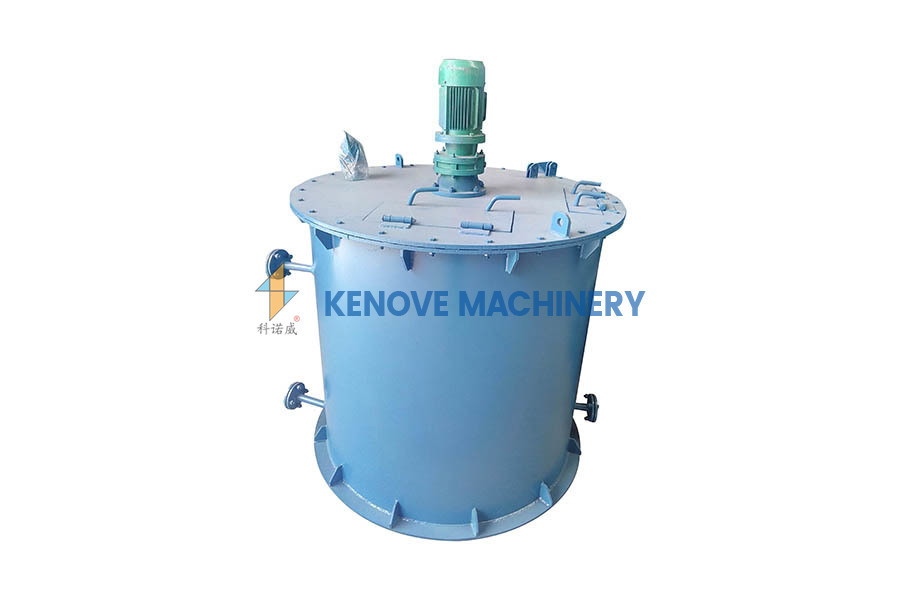
In the realm of agriculture, the efficient management of fertilizers is crucial for maximizing crop yields while minimizing environmental impact. One essential component in this process is the Urea Melting Tank, an innovative piece of equipment designed to facilitate the melting of urea and enhance its application as a fertilizer.
Urea is a popular nitrogen-rich fertilizer used globally due to its high nitrogen content and cost-effectiveness. However, handling solid urea can present challenges, particularly in terms of storage and application. Urea Melting Tanks are engineered to address these challenges by converting solid urea into a liquid form, making it easier to manage and apply to crops.
The primary function of a Urea Melting Tank is to heat solid urea, causing it to melt into a liquid state. This process not only simplifies the handling of the material but also ensures uniformity and consistency in the application of fertilizers. Liquid urea can be more readily mixed with other nutrients and applied through various irrigation systems, allowing for precise and efficient nutrient delivery directly to the plants.
One of the significant advantages of using Urea Melting Tanks is their ability to improve the efficiency of fertilizer application. Liquid fertilizers can be absorbed more rapidly by plants, leading to improved nutrient uptake and, consequently, enhanced growth and yield. Furthermore, the liquid form reduces the risk of urea volatilization, a common issue with solid applications, thereby ensuring that more nitrogen remains available for plant use.
Moreover, Urea Melting Tanks contribute to sustainable farming practices. By optimizing fertilizer application, farmers can reduce waste and minimize the environmental impact associated with excess fertilizer runoff. This is particularly important in today's agricultural landscape, where sustainability and environmental stewardship are becoming increasingly critical.
In addition to their functional benefits, Urea Melting Tanks are designed with durability and efficiency in mind. Many models feature advanced insulation and heating technology, which ensures that the melting process is not only effective but also energy-efficient. This is an important consideration for agricultural operations looking to reduce their carbon footprint and operational costs.
In conclusion, Urea Melting Tanks play a vital role in modern agricultural practices, offering numerous advantages in terms of efficiency, sustainability, and crop yield. By converting solid urea into a more manageable liquid form, farmers can streamline their fertilizer application processes, ultimately leading to healthier crops and a more sustainable agricultural future. Embracing this technology can set the groundwork for more efficient farm management and contribute to the long-term viability of agricultural enterprises.
Urea is a popular nitrogen-rich fertilizer used globally due to its high nitrogen content and cost-effectiveness. However, handling solid urea can present challenges, particularly in terms of storage and application. Urea Melting Tanks are engineered to address these challenges by converting solid urea into a liquid form, making it easier to manage and apply to crops.
The primary function of a Urea Melting Tank is to heat solid urea, causing it to melt into a liquid state. This process not only simplifies the handling of the material but also ensures uniformity and consistency in the application of fertilizers. Liquid urea can be more readily mixed with other nutrients and applied through various irrigation systems, allowing for precise and efficient nutrient delivery directly to the plants.
One of the significant advantages of using Urea Melting Tanks is their ability to improve the efficiency of fertilizer application. Liquid fertilizers can be absorbed more rapidly by plants, leading to improved nutrient uptake and, consequently, enhanced growth and yield. Furthermore, the liquid form reduces the risk of urea volatilization, a common issue with solid applications, thereby ensuring that more nitrogen remains available for plant use.
Moreover, Urea Melting Tanks contribute to sustainable farming practices. By optimizing fertilizer application, farmers can reduce waste and minimize the environmental impact associated with excess fertilizer runoff. This is particularly important in today's agricultural landscape, where sustainability and environmental stewardship are becoming increasingly critical.
In addition to their functional benefits, Urea Melting Tanks are designed with durability and efficiency in mind. Many models feature advanced insulation and heating technology, which ensures that the melting process is not only effective but also energy-efficient. This is an important consideration for agricultural operations looking to reduce their carbon footprint and operational costs.
In conclusion, Urea Melting Tanks play a vital role in modern agricultural practices, offering numerous advantages in terms of efficiency, sustainability, and crop yield. By converting solid urea into a more manageable liquid form, farmers can streamline their fertilizer application processes, ultimately leading to healthier crops and a more sustainable agricultural future. Embracing this technology can set the groundwork for more efficient farm management and contribute to the long-term viability of agricultural enterprises.
Contact Us
Intersection of Yinhua Road And Fengshan Road,Pingyi County, Linyi City,Shandong,China
