





Understanding the Importance of Rotary Blanking Valves in Agricultural Machinery
Release time:
Mar 15,2026
Rotary blanking valves are specialized components used in various agricultural machinery applications. These valves are designed to control the flow of fluids, ensuring that the operation of equipment remains efficient and effective. In the agricultural sector, where machinery is essential for productivity, understanding the function and benefits of rotary blanking valves can help optimize equipme
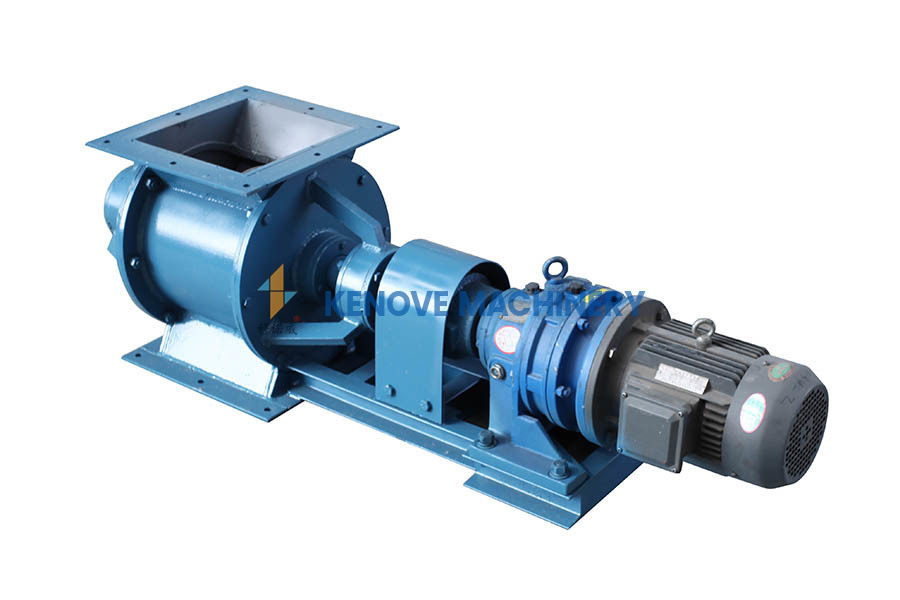
Rotary blanking valves are specialized components used in various agricultural machinery applications. These valves are designed to control the flow of fluids, ensuring that the operation of equipment remains efficient and effective. In the agricultural sector, where machinery is essential for productivity, understanding the function and benefits of rotary blanking valves can help optimize equipment performance and enhance operational reliability.
One of the primary functions of a rotary blanking valve is to manage the flow of liquids or gases in hydraulic systems. It operates by rotating a disc or a plug within the valve body, which either opens or closes the passageway for the fluid. This mechanism allows for precise control over the flow, making it particularly valuable in applications where varying fluid pressures are common. For instance, in planting and irrigation systems, maintaining the correct pressure and flow rate is vital to ensure proper watering and nutrient delivery to crops.
In agricultural machinery, the use of rotary blanking valves contributes to improved efficiency. By enabling quick adjustments to flow rates, operators can optimize the performance of their equipment based on specific tasks. For example, during planting or spraying, the ability to rapidly control fluid flow can lead to more accurate application, reducing waste and ensuring that resources are utilized effectively. This not only saves time but also decreases operational costs over the long term.
Additionally, rotary blanking valves enhance the longevity of agricultural machinery. By providing a means to regulate flow, these valves help prevent issues such as overpressure or backflow, which can cause wear and tear on machinery components. This proactive maintenance aspect ensures that equipment remains in optimal condition, reducing the likelihood of breakdowns and costly repairs.
Moreover, the versatility of rotary blanking valves makes them suitable for various agricultural applications beyond just planting and irrigation. They can be found in systems that require fluid control, such as fertilization and pest management systems. This adaptability means that farmers and agricultural operators can rely on rotary blanking valves across a range of equipment, streamlining their operations and increasing productivity.
In conclusion, rotary blanking valves play a pivotal role in the agricultural machinery landscape. Their ability to control fluid flow efficiently contributes to enhanced operational performance, reduced costs, and prolonged equipment life. As the agricultural sector continues to innovate and evolve, understanding and utilizing components like rotary blanking valves will remain essential for achieving success and sustainability in farming practices.
One of the primary functions of a rotary blanking valve is to manage the flow of liquids or gases in hydraulic systems. It operates by rotating a disc or a plug within the valve body, which either opens or closes the passageway for the fluid. This mechanism allows for precise control over the flow, making it particularly valuable in applications where varying fluid pressures are common. For instance, in planting and irrigation systems, maintaining the correct pressure and flow rate is vital to ensure proper watering and nutrient delivery to crops.
In agricultural machinery, the use of rotary blanking valves contributes to improved efficiency. By enabling quick adjustments to flow rates, operators can optimize the performance of their equipment based on specific tasks. For example, during planting or spraying, the ability to rapidly control fluid flow can lead to more accurate application, reducing waste and ensuring that resources are utilized effectively. This not only saves time but also decreases operational costs over the long term.
Additionally, rotary blanking valves enhance the longevity of agricultural machinery. By providing a means to regulate flow, these valves help prevent issues such as overpressure or backflow, which can cause wear and tear on machinery components. This proactive maintenance aspect ensures that equipment remains in optimal condition, reducing the likelihood of breakdowns and costly repairs.
Moreover, the versatility of rotary blanking valves makes them suitable for various agricultural applications beyond just planting and irrigation. They can be found in systems that require fluid control, such as fertilization and pest management systems. This adaptability means that farmers and agricultural operators can rely on rotary blanking valves across a range of equipment, streamlining their operations and increasing productivity.
In conclusion, rotary blanking valves play a pivotal role in the agricultural machinery landscape. Their ability to control fluid flow efficiently contributes to enhanced operational performance, reduced costs, and prolonged equipment life. As the agricultural sector continues to innovate and evolve, understanding and utilizing components like rotary blanking valves will remain essential for achieving success and sustainability in farming practices.
Contact Us
Intersection of Yinhua Road And Fengshan Road,Pingyi County, Linyi City,Shandong,China
