





Why Every Farmer Needs a Urea Melting Tank in Their Equipment Arsenal
Release time:
Mar 30,2026
Why Every Farmer Needs a Urea Melting Tank in Their Equipment Arsenal As agriculture continues to evolve, farmers are increasingly seeking ways to enhance productivity while maintaining sustainability. One effective solution has emerged: the **urea melting tank**. This essential piece of equipment can significantly improve fertilizer application and crop yield. In this article, we will explore the
Why Every Farmer Needs a Urea Melting Tank in Their Equipment Arsenal
As agriculture continues to evolve, farmers are increasingly seeking ways to enhance productivity while maintaining sustainability. One effective solution has emerged: the **urea melting tank**. This essential piece of equipment can significantly improve fertilizer application and crop yield. In this article, we will explore the myriad benefits of urea melting tanks, how they function, and why they are a vital addition to any farmer’s toolkit.
Understanding Urea Fertilizer and Its Importance
Urea is one of the most widely used nitrogen fertilizers in the world due to its high nitrogen content and cost-effectiveness. It plays a fundamental role in promoting plant growth by providing the essential nutrients required for photosynthesis and protein synthesis. However, the effectiveness of urea is heavily influenced by how it is applied to crops.
What Is a Urea Melting Tank?
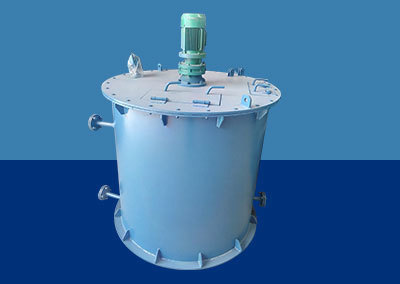
A **urea melting tank** is a specialized piece of equipment designed to dissolve solid urea into a liquid form. This transformation makes it easier to apply the fertilizer uniformly across large fields. The **melting process** transforms urea crystals into a solution that can be mixed with water or other fertilizers, optimizing its application and effectiveness.
How Urea Melting Tanks Work
Urea melting tanks utilize a combination of heat and agitation to dissolve solid urea efficiently. Typically, these tanks are equipped with heating elements that raise the temperature of the urea, enabling it to melt. Additionally, the tanks are designed with agitating mechanisms to ensure even distribution of the melted urea. This process results in a **homogeneous liquid fertilizer** that can be easily applied via various methods, including spraying and drip irrigation.
The Benefits of Using a Urea Melting Tank
1. Improved Fertilizer Efficiency
One of the primary benefits of using a urea melting tank is the improved efficiency of fertilizer application. With the urea in liquid form, farmers can achieve a more uniform distribution across their fields. This uniformity ensures that each plant receives the necessary nutrients, leading to enhanced growth and productivity.
2. Cost-Effectiveness
Investing in a urea melting tank can lead to substantial cost savings. By optimizing fertilizer application, farmers can reduce waste and minimize over-fertilization, which often results in unnecessary expenses. Furthermore, the ability to produce liquid urea on-site means that farmers can buy urea in bulk at lower prices, further reducing costs.
3. Increased Crop Yields
Properly applied urea can lead to significant increases in crop yields. Liquid fertilizers allow for better nutrient absorption, as they can be quickly taken up by plants. With a **urea melting tank**, farmers can ensure that their crops receive the right amount of nitrogen at the right time, leading to healthier plants and, ultimately, a more bountiful harvest.
4. Environmental Benefits
Using a urea melting tank can also contribute to more sustainable farming practices. By minimizing the risk of over-fertilization, farmers can reduce nitrogen runoff into waterways, which can lead to environmental issues such as eutrophication. Moreover, precision application methods enabled by liquid fertilizers can significantly decrease the overall environmental footprint of farming activities.
Choosing the Right Urea Melting Tank
Factors to Consider
When selecting a urea melting tank, several factors should be taken into account:
- Capacity: Choose a tank size that meets your operational needs.
- Material: Ensure that the tank is made from durable materials resistant to corrosion and chemicals.
- Heating Method: Consider whether the tank uses electric, gas, or alternative heating methods.
- Agitation Mechanism: Look for tanks with effective agitation systems to ensure complete melting of urea.
- Ease of Use: User-friendly controls and maintenance features can enhance efficiency and lower operational costs.
Popular Brands and Models
Some reputable brands that manufacture urea melting tanks include:
- John Deere: Known for robust agricultural machinery, John Deere also offers reliable urea melting tanks.
- Case IH: They provide a range of farming equipment and urea melting solutions.
- Agri-Fab: Specializes in agricultural equipment and has a variety of melting tank options.
Best Practices for Using Urea Melting Tanks
1. Regular Maintenance
To ensure longevity and efficiency, regular maintenance of your urea melting tank is essential. This includes checking heating elements, cleaning the tank after each use, and inspecting for any wear and tear. Consistent upkeep will prevent costly repairs and ensure optimal functioning.
2. Proper Training
Farmers and their staff should receive training on the proper use of urea melting tanks. Understanding the technology and how to operate it safely will lead to better results and increased safety in the field.
3. Optimal Application Timing
Timing is crucial when applying fertilizers. Utilize the capabilities of your urea melting tank to apply liquid urea at key growth stages of your crops for maximum impact on yield.
Common Misconceptions About Urea Melting Tanks
1. Urea Melting Tanks Are Expensive
While the initial investment may seem high, the long-term savings and increased productivity make urea melting tanks a cost-effective solution for modern farmers.
2. Liquid Fertilizers Are Less Effective
On the contrary, liquid fertilizers often provide quicker nutrient absorption compared to granular forms. The flexibility and efficiency of application also enhance their effectiveness.
FAQs About Urea Melting Tanks
1. What is the primary purpose of a urea melting tank?
The primary purpose of a urea melting tank is to dissolve solid urea into a liquid form, facilitating easier and more efficient application of nitrogen fertilizer to crops.
2. How can I maximize the benefits of using a urea melting tank?
To maximize the benefits, ensure regular maintenance, train staff on proper usage, and apply the liquid urea during optimal growth stages of your crops.
3. Can liquid urea be mixed with other fertilizers?
Yes, liquid urea can often be mixed with other liquid fertilizers, but it is essential to check compatibility to avoid chemical reactions.
4. Is the use of urea melting tanks environmentally friendly?
Yes, using urea melting tanks can reduce the risk of over-fertilization and nitrogen runoff, making them a more environmentally friendly option in agriculture.
5. What maintenance is required for a urea melting tank?
Regular maintenance includes checking heating elements, cleaning the tank, and inspecting for damage or wear, ensuring it operates efficiently.
Conclusion
In today’s competitive agricultural landscape, equipping your farm with a **urea melting tank** is not just a choice; it’s a necessity for enhancing productivity and sustainability. This innovative technology allows for precise fertilizer application, leading to improved crop yields and reduced environmental impact. As we have explored, the benefits of integrating a urea melting tank into your farming operations far exceed the initial investment. By understanding how these tanks function, choosing the right model, and adhering to best practices, farmers can position themselves for success in an ever-evolving agricultural market. Embrace the future of farming with a urea melting tank, and watch your operational efficiency soar.
Contact Us
Intersection of Yinhua Road And Fengshan Road,Pingyi County, Linyi City,Shandong,China
