





Top 5 Reasons to Invest in a Quality Rotary Blanking Valve for Your Farm
Release time:
Apr 09,2026
Top 5 Reasons to Invest in a Quality Rotary Blanking Valve for Your Farm In the ever-evolving world of agriculture, efficiency and reliability are paramount. As farmers, ensuring that every piece of equipment serves its purpose effectively can significantly influence productivity and profitability. One often-overlooked component in agricultural equipment is the rotary blanking valve. This articl
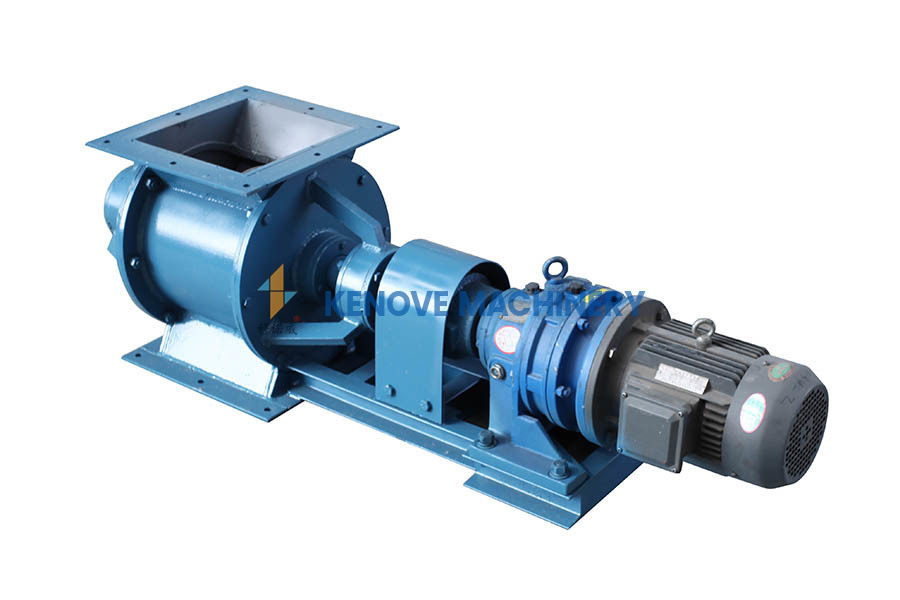
Top 5 Reasons to Invest in a Quality Rotary Blanking Valve for Your Farm
In the ever-evolving world of agriculture, efficiency and reliability are paramount. As farmers, ensuring that every piece of equipment serves its purpose effectively can significantly influence productivity and profitability. One often-overlooked component in agricultural equipment is the rotary blanking valve. This article explores the top five reasons to invest in a quality rotary blanking valve for your farm, shedding light on its numerous benefits and how it can enhance your agricultural operations.
Understanding Rotary Blanking Valves
Before delving into the reasons for investment, it's essential to understand what a rotary blanking valve is and its role in agricultural machinery. A rotary blanking valve is designed to manage the flow of fluid within agricultural systems, often used in conjunction with hydraulic equipment. This pivotal component allows for precise control over the fluid dynamics, which is crucial in applications ranging from irrigation to machinery operation.
1. Enhanced Operational Efficiency
Efficiency is at the heart of any successful farming operation. A quality rotary blanking valve ensures that fluid flow is controlled accurately, which can lead to more efficient equipment operation. With precise flow regulation, farmers can optimize the use of hydraulic systems. This precision translates into better performance from tractors, harvesters, and other machines, ultimately improving the overall productivity of farming tasks.
Improved Crop Management
By maintaining optimal fluid dynamics, a rotary blanking valve enhances crop management capabilities. For instance, when used in irrigation systems, it can help deliver consistent water flow, ensuring that crops receive the right amount of moisture. This precise control prevents overwatering or underwatering, which are common pitfalls that can affect yield.
2. Cost Savings Through Durability
Investing in a high-quality rotary blanking valve results in significant cost savings in the long run. Cheaper alternatives may seem attractive initially but can lead to frequent replacements and repairs. A robust rotary blanking valve is built to withstand the rigors of agricultural use, resulting in fewer breakdowns and reduced maintenance costs.
Lower Maintenance Requirements
Quality components require less maintenance. A reliable rotary blanking valve minimizes the chances of leaks and malfunctions. This reliability means less downtime for repairs, allowing you to allocate resources to other critical areas of your farm. Moreover, reduced maintenance needs translate directly into lower operational costs.
3. Increased Safety for Operators
Safety should always be a priority in agricultural operations. A quality rotary blanking valve contributes to a safer working environment in several ways. By ensuring precise control of fluid flow, it reduces the risk of sudden hydraulic failures that can pose dangers to operators and equipment alike.
Risk Mitigation
With a reliable rotary blanking valve, farmers can better mitigate risks associated with hydraulic systems. These valves function as safeguards, preventing unexpected surges in pressure and ensuring that operators can work confidently without fear of equipment failure. This peace of mind is invaluable on the farm.
4. Versatility Across Various Applications
A rotary blanking valve's versatility makes it an indispensable asset in modern farming. These valves can be employed in numerous applications, from irrigation systems to crop spraying and even in livestock facilities. Their adaptability means that investing in a quality valve can serve multiple purposes across your agricultural operations.
Customizable Solutions
The ability to customize settings and configurations makes rotary blanking valves an ideal choice for farmers who need tailored solutions. Whether you're managing an extensive irrigation system or looking to optimize your machinery's hydraulic flow, a quality valve can be adjusted to meet your unique needs.
5. Long-Term Return on Investment
When considering the purchase of farming equipment, long-term financial implications are crucial. A quality rotary blanking valve represents a wise investment that pays dividends over time. By enhancing efficiency, reducing maintenance costs, and improving safety, the return on investment (ROI) becomes evident.
Measurable Performance Benefits
Farmers can track the benefits of their investment through improved performance metrics. For example, an increase in crop yield due to precise irrigation control can directly correlate to the effective use of a reliable rotary blanking valve. The cumulative benefits contribute to a healthier bottom line.
Choosing the Right Rotary Blanking Valve
Not all rotary blanking valves are created equal. When selecting the right valve for your farm, consider the following factors:
1. Material Quality
Ensure the valve is made from durable materials that can withstand the demands of agricultural use. High-quality metals and seals are essential for longevity and reliability.
2. Compatibility
Check that the valve is compatible with your existing equipment. A good fit ensures seamless operation and minimizes the risk of malfunctions.
3. Manufacturer Reputation
Invest in products from reputable manufacturers known for their quality and support. A solid warranty and customer service can save you from future headaches.
FAQs About Rotary Blanking Valves
1. What is the primary function of a rotary blanking valve?
A rotary blanking valve primarily controls fluid flow in hydraulic systems, ensuring efficient and precise operation of agricultural equipment.
2. How do I know when to replace my rotary blanking valve?
Signs that it may be time to replace your valve include leaks, inconsistent fluid flow, or noticeable wear and tear on the valve itself.
3. Can I install a rotary blanking valve myself?
While it's possible to install the valve yourself if you're familiar with hydraulic systems, consulting a professional is recommended for optimal installation and safety.
4. What maintenance does a rotary blanking valve require?
Routine inspections for leaks and wear are essential. Regular cleaning and ensuring proper lubrication will also help maintain performance.
5. Are there specific brands known for quality rotary blanking valves?
Yes, several brands are recognized for their quality, such as Parker, Eaton, and Bosch. Researching reviews and specifications will guide you in finding the best option for your needs.
Conclusion
Investing in a quality rotary blanking valve is a strategic decision that can have far-reaching benefits for your farming operations. From enhancing operational efficiency and promoting safety to delivering long-term cost savings, the advantages are clear. As you consider this investment, remember that the right choice can lead to improved productivity and profitability on your farm. Embrace technology and quality components to ensure your agricultural ventures thrive. Every farmer deserves the best tools to succeed; a quality rotary blanking valve is undoubtedly one of them.
Contact Us
Intersection of Yinhua Road And Fengshan Road,Pingyi County, Linyi City,Shandong,China
