





Understanding Urea Melting Tanks: Essential Insights for Agricultural Applications
Release time:
Apr 24,2026
--- Urea Melting Tanks play a pivotal role in the agricultural sector, particularly in the field of fertilizer application. As urea is one of the most widely used nitrogen fertilizers, the process of melting it efficiently and effectively is essential for maximizing crop yields. This article delves into the various aspects of Urea Melting Tanks and their importance in modern agriculture. At its co
---
Urea Melting Tanks play a pivotal role in the agricultural sector, particularly in the field of fertilizer application. As urea is one of the most widely used nitrogen fertilizers, the process of melting it efficiently and effectively is essential for maximizing crop yields. This article delves into the various aspects of Urea Melting Tanks and their importance in modern agriculture.
At its core, a Urea Melting Tank is designed to convert solid urea into a liquid form that can be easily applied to crops. This process involves heating the urea to its melting point, which allows for better distribution and absorption of nutrients by plants. Utilizing a Urea Melting Tank can significantly enhance the efficacy of nitrogen fertilization, leading to healthier crops and improved agricultural output.
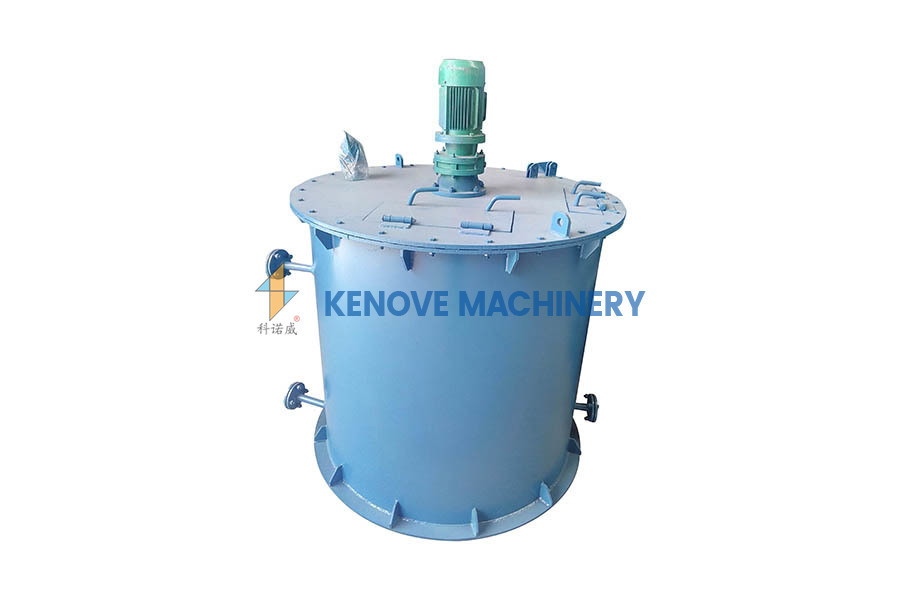
The functionality of Urea Melting Tanks is relatively straightforward. They are equipped with heating elements and mixing mechanisms that ensure the urea is evenly melted and maintained at the desired temperature. This prevents the formation of clumps or crystals that can hinder application effectiveness. Moreover, many modern Urea Melting Tanks come with temperature control systems, allowing for precise adjustments based on environmental conditions.
One of the primary advantages of using a Urea Melting Tank is the enhancement of fertilizer application efficiency. Liquid urea can be applied through various methods, such as drip irrigation or foliar spraying, enabling farmers to target specific areas of their fields. This precision reduces waste and minimizes the risk of over-fertilization, which can lead to environmental issues, such as nutrient runoff and soil degradation.
Additionally, Urea Melting Tanks contribute to operational convenience. The liquid form of urea is easier to store, transport, and handle compared to its solid counterpart. This not only saves time during the application process but also reduces labor costs associated with handling heavy bags of solid fertilizer.
Another essential consideration is the safety aspect of using Urea Melting Tanks. Properly designed tanks are built with safety features that minimize the risk of accidents during the melting process. Farmers should always adhere to safety guidelines and best practices to ensure smooth operations.
In conclusion, Urea Melting Tanks are an invaluable asset in the agriculture industry, particularly for those focused on optimizing fertilizer application. By transforming solid urea into a liquid form, these tanks facilitate efficient and precise nutrient delivery to crops, ultimately contributing to better agricultural productivity. For farmers looking to enhance their fertilizer management strategies, investing in a Urea Melting Tank can lead to significant benefits. Understanding the functionality and advantages of this equipment is crucial for making informed decisions that align with sustainable agricultural practices.
Urea Melting Tanks play a pivotal role in the agricultural sector, particularly in the field of fertilizer application. As urea is one of the most widely used nitrogen fertilizers, the process of melting it efficiently and effectively is essential for maximizing crop yields. This article delves into the various aspects of Urea Melting Tanks and their importance in modern agriculture.
At its core, a Urea Melting Tank is designed to convert solid urea into a liquid form that can be easily applied to crops. This process involves heating the urea to its melting point, which allows for better distribution and absorption of nutrients by plants. Utilizing a Urea Melting Tank can significantly enhance the efficacy of nitrogen fertilization, leading to healthier crops and improved agricultural output.
The functionality of Urea Melting Tanks is relatively straightforward. They are equipped with heating elements and mixing mechanisms that ensure the urea is evenly melted and maintained at the desired temperature. This prevents the formation of clumps or crystals that can hinder application effectiveness. Moreover, many modern Urea Melting Tanks come with temperature control systems, allowing for precise adjustments based on environmental conditions.
One of the primary advantages of using a Urea Melting Tank is the enhancement of fertilizer application efficiency. Liquid urea can be applied through various methods, such as drip irrigation or foliar spraying, enabling farmers to target specific areas of their fields. This precision reduces waste and minimizes the risk of over-fertilization, which can lead to environmental issues, such as nutrient runoff and soil degradation.
Additionally, Urea Melting Tanks contribute to operational convenience. The liquid form of urea is easier to store, transport, and handle compared to its solid counterpart. This not only saves time during the application process but also reduces labor costs associated with handling heavy bags of solid fertilizer.
Another essential consideration is the safety aspect of using Urea Melting Tanks. Properly designed tanks are built with safety features that minimize the risk of accidents during the melting process. Farmers should always adhere to safety guidelines and best practices to ensure smooth operations.
In conclusion, Urea Melting Tanks are an invaluable asset in the agriculture industry, particularly for those focused on optimizing fertilizer application. By transforming solid urea into a liquid form, these tanks facilitate efficient and precise nutrient delivery to crops, ultimately contributing to better agricultural productivity. For farmers looking to enhance their fertilizer management strategies, investing in a Urea Melting Tank can lead to significant benefits. Understanding the functionality and advantages of this equipment is crucial for making informed decisions that align with sustainable agricultural practices.
Contact Us
Intersection of Yinhua Road And Fengshan Road,Pingyi County, Linyi City,Shandong,China
