





Unlocking the Benefits of Urea Melting Tanks for Sustainable Farming
Release time:
May 19,2026
Unlocking the Benefits of Urea Melting Tanks for Sustainable Farming In the quest for sustainable agriculture, farmers are continually seeking innovative solutions to enhance productivity while minimizing environmental impact. One such solution is the integration of **urea melting tanks** into farming operations. These tanks not only facilitate the efficient use of nitrogen fertilizers but also co
Unlocking the Benefits of Urea Melting Tanks for Sustainable Farming
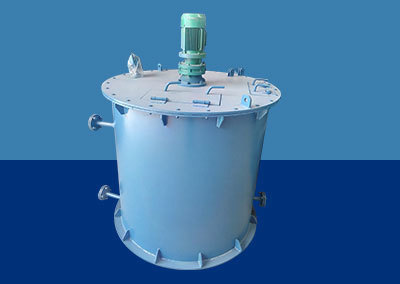
In the quest for sustainable agriculture, farmers are continually seeking innovative solutions to enhance productivity while minimizing environmental impact. One such solution is the integration of **urea melting tanks** into farming operations. These tanks not only facilitate the efficient use of nitrogen fertilizers but also contribute to improved soil health and crop yields. This article delves into the benefits of urea melting tanks, their operational mechanisms, and their significance in sustainable farming practices.
Table of Contents
- 1. Introduction to Urea Melting Tanks
- 2. What is Urea?
- 3. The Importance of Urea in Agriculture
- 4. Benefits of Urea Melting Tanks
- 4.1. Increased Efficiency in Fertilizer Application
- 4.2. Cost Savings for Farmers
- 4.3. Positive Environmental Impact
- 5. How Urea Melting Tanks Operate
- 6. Best Practices for Using Urea Melting Tanks
- 7. Case Studies: Successful Implementation of Urea Melting Tanks
- 8. The Future of Sustainable Farming with Urea Melting Tanks
- 9. Frequently Asked Questions (FAQs)
- 10. Conclusion
1. Introduction to Urea Melting Tanks
Urea is one of the most widely used nitrogen fertilizers globally, essential for crop growth and soil fertility. **Urea melting tanks** are specialized equipment designed to dissolve solid urea into a liquid form, making it easier to apply as a fertilizer. This innovative approach allows for better nutrient management and more effective use of urea in various agricultural practices. By understanding the benefits and operational mechanics of urea melting tanks, farmers can make informed decisions that enhance their farming efficiency and sustainability.
2. What is Urea?
Urea is a nitrogen-rich compound, chemically represented as CO(NH₂)₂. It is synthesized from ammonia and carbon dioxide under high pressure and temperature. In agriculture, urea serves as a primary source of nitrogen, which is crucial for plant growth as it promotes leaf development and overall vigor. Urea is favored for its high nitrogen content and relative cost-effectiveness compared to other nitrogen fertilizers.
3. The Importance of Urea in Agriculture
Nitrogen is a critical nutrient in plant metabolism and growth. Urea plays a vital role in agriculture by:
- **Promoting Plant Growth:** It aids in the production of chlorophyll, essential for photosynthesis.
- **Enhancing Crop Yields:** Adequate nitrogen supply leads to higher productivity, ensuring food security.
- **Improving Soil Quality:** Proper application of urea can enhance soil health and structure.
4. Benefits of Urea Melting Tanks
4.1. Increased Efficiency in Fertilizer Application
Urea melting tanks significantly improve the efficiency of nitrogen application. By converting solid urea into a liquid form, farmers can apply fertilizers with greater precision, ensuring that crops receive the necessary nutrients without wastage. This method allows for better mixing with irrigation water, resulting in uniform distribution and absorption by plants.
4.2. Cost Savings for Farmers
The operational efficiency of urea melting tanks translates to cost savings for farmers. By minimizing fertilizer loss through volatilization and runoff, farmers can utilize less urea to achieve the same or even improved crop yields. Additionally, the ability to purchase urea in bulk as solid material reduces costs compared to liquid fertilizers.
4.3. Positive Environmental Impact
Utilizing urea melting tanks contributes to environmentally friendly farming practices. With precise application, the risk of nitrogen leaching into water bodies is minimized, reducing the likelihood of water pollution. Furthermore, this method supports sustainable farming by promoting the responsible use of resources, thus protecting biodiversity and ecosystems.
5. How Urea Melting Tanks Operate
Urea melting tanks operate through a straightforward process:
- **Loading Solid Urea:** Solid urea is loaded into the melting tank, which is equipped with heating elements.
- **Heating Process:** The tank heats the urea to a specific temperature, facilitating its dissolution into a liquid form.
- **Mixing and Agitation:** The liquid urea is then mixed thoroughly, ensuring uniformity before application.
- **Distribution:** The liquid urea can be directly applied through irrigation systems or stored for later use.
6. Best Practices for Using Urea Melting Tanks
To maximize the benefits of urea melting tanks, farmers should adhere to the following best practices:
- **Regular Maintenance:** Ensure the melting tank is well-maintained to prevent operational issues.
- **Monitor Temperature:** Maintain optimal heating temperatures to achieve complete urea dissolution.
- **Use Appropriate Ratios:** Follow recommended application rates based on crop requirements and soil tests.
- **Combine with Other Nutrients:** Consider blending urea with other fertilizers to provide balanced nutrition.
7. Case Studies: Successful Implementation of Urea Melting Tanks
Several farms worldwide have successfully integrated urea melting tanks into their operations, resulting in remarkable improvements:
Case Study 1: A Family-Owned Farm in California
This family-owned farm adopted urea melting tanks to address issues with nitrogen application efficiency. After implementing the technology, they reported a 20% increase in crop yields and a 15% reduction in fertilizer costs.
Case Study 2: A Cooperative in Brazil
A cooperative of farmers in Brazil introduced urea melting tanks to improve the sustainability of their practices. By ensuring precise application, they not only enhanced their crop productivity but also reduced the environmental impact of nitrogen runoff.
8. The Future of Sustainable Farming with Urea Melting Tanks
The future of sustainable farming looks promising with the integration of urea melting tanks. As agricultural practices continue to evolve, the emphasis on environmentally responsible methods will only grow. The ability of urea melting tanks to optimize nitrogen use while minimizing waste positions them as a critical tool in the drive towards sustainable agriculture. Innovations in technology will further enhance the effectiveness of these systems, making them even more essential for modern farming.
9. Frequently Asked Questions (FAQs)
1. What are urea melting tanks?
Urea melting tanks are specialized systems designed to dissolve solid urea into liquid form, allowing for efficient application as a nitrogen fertilizer.
2. How do urea melting tanks improve fertilizer application efficiency?
They convert solid urea into liquid, enabling precise application with irrigation systems, which ensures uniform distribution and minimizes wastage.
3. What are the environmental benefits of using urea melting tanks?
By allowing for precise application, they reduce the risk of nitrogen runoff into water bodies, helping to minimize water pollution and protect ecosystems.
4. Are there cost savings associated with urea melting tanks?
Yes, farmers can experience cost savings by reducing fertilizer loss and taking advantage of bulk purchasing of solid urea.
5. How can farmers maintain their urea melting tanks?
Regular maintenance involves cleaning, checking heating elements, and ensuring proper operation to maximize efficiency and lifespan.
10. Conclusion
In conclusion, urea melting tanks present a groundbreaking solution for sustainable farming practices. Their ability to enhance fertilizer application efficiency, reduce costs, and promote environmental stewardship makes them an invaluable asset for modern agriculture. As farmers continue to navigate the challenges of food production in a sustainable manner, the adoption of urea melting tanks will undoubtedly play a pivotal role in achieving these goals. By embracing this innovative technology, farmers can unlock the full potential of their crops while contributing to a healthier planet.
Contact Us
Intersection of Yinhua Road And Fengshan Road,Pingyi County, Linyi City,Shandong,China
