





Understanding the Importance of Urea Melting Tanks in Agricultural Operations
Release time:
Jun 13,2026
In the realm of agricultural operations, Urea Melting Tanks serve a pivotal role in the effective management of urea fertilizers. Urea, a vital source of nitrogen for crops, requires proper handling and application to maximize its benefits. Urea Melting Tanks are specifically designed equipment that facilitates the melting of solid urea into a liquid form, ensuring that farmers can efficiently uti
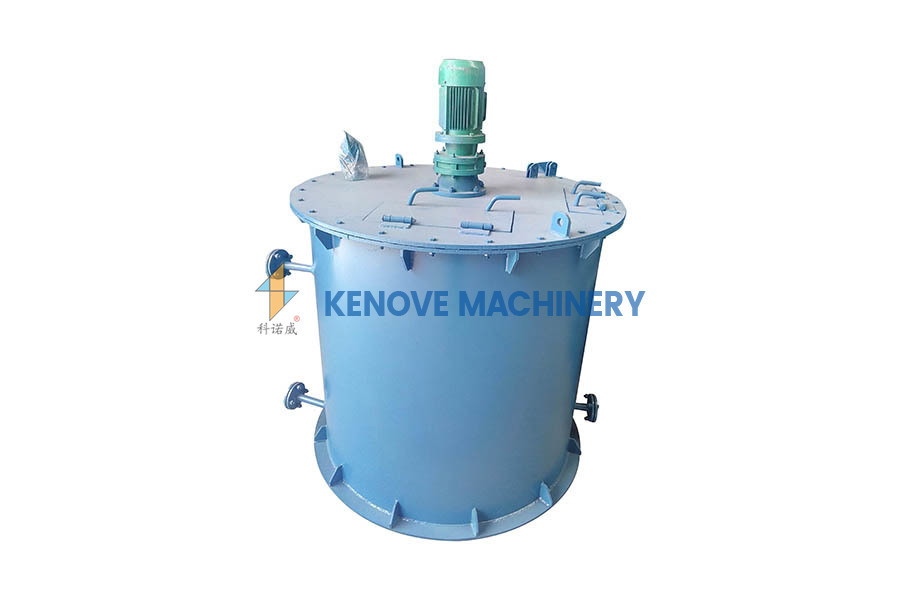
In the realm of agricultural operations, Urea Melting Tanks serve a pivotal role in the effective management of urea fertilizers. Urea, a vital source of nitrogen for crops, requires proper handling and application to maximize its benefits. Urea Melting Tanks are specifically designed equipment that facilitates the melting of solid urea into a liquid form, ensuring that farmers can efficiently utilize it for their crops.
One of the primary advantages of using Urea Melting Tanks is the transformation of solid urea into a liquid solution that is easier to distribute. This liquid form allows for better integration into irrigation systems, ensuring that nutrients are delivered directly to the plant roots. As a result, crops can absorb nitrogen more efficiently, leading to enhanced growth and yield.
Moreover, Urea Melting Tanks promote safer handling of fertilizers. Solid urea can pose risks during transport and application due to its bulkiness and potential for dust generation. By melting urea into a liquid form, these tanks minimize the risk of accidents and improve overall safety for farm workers. Additionally, the process of melting urea can be automated, which streamlines operations and reduces labor costs.
When considering the implementation of Urea Melting Tanks, it's essential to evaluate several factors. The capacity of the tank is crucial; it should align with the scale of the agricultural operation. Furthermore, the heating mechanism must be efficient to maintain optimal melting temperatures without excessive energy consumption. Regular maintenance is also necessary to ensure that the melting process remains efficient and that the equipment operates smoothly.
In terms of installation, Urea Melting Tanks should be placed strategically within the farm’s layout to optimize workflow. Proximity to storage facilities for solid urea and application equipment can significantly enhance operational efficiency.
In conclusion, Urea Melting Tanks are an indispensable component in modern agricultural practices. They not only improve the efficiency of urea fertilizer application but also contribute to safer handling and better crop yields. As the agriculture sector continues to evolve, the adoption of such specialized equipment will play a significant role in enhancing productivity and sustainability. Understanding the functionality and benefits of Urea Melting Tanks can empower agricultural professionals to make informed decisions that positively impact their operations.
One of the primary advantages of using Urea Melting Tanks is the transformation of solid urea into a liquid solution that is easier to distribute. This liquid form allows for better integration into irrigation systems, ensuring that nutrients are delivered directly to the plant roots. As a result, crops can absorb nitrogen more efficiently, leading to enhanced growth and yield.
Moreover, Urea Melting Tanks promote safer handling of fertilizers. Solid urea can pose risks during transport and application due to its bulkiness and potential for dust generation. By melting urea into a liquid form, these tanks minimize the risk of accidents and improve overall safety for farm workers. Additionally, the process of melting urea can be automated, which streamlines operations and reduces labor costs.
When considering the implementation of Urea Melting Tanks, it's essential to evaluate several factors. The capacity of the tank is crucial; it should align with the scale of the agricultural operation. Furthermore, the heating mechanism must be efficient to maintain optimal melting temperatures without excessive energy consumption. Regular maintenance is also necessary to ensure that the melting process remains efficient and that the equipment operates smoothly.
In terms of installation, Urea Melting Tanks should be placed strategically within the farm’s layout to optimize workflow. Proximity to storage facilities for solid urea and application equipment can significantly enhance operational efficiency.
In conclusion, Urea Melting Tanks are an indispensable component in modern agricultural practices. They not only improve the efficiency of urea fertilizer application but also contribute to safer handling and better crop yields. As the agriculture sector continues to evolve, the adoption of such specialized equipment will play a significant role in enhancing productivity and sustainability. Understanding the functionality and benefits of Urea Melting Tanks can empower agricultural professionals to make informed decisions that positively impact their operations.
Contact Us
Intersection of Yinhua Road And Fengshan Road,Pingyi County, Linyi City,Shandong,China
