





Understanding the Role of Rotary Blanking Valves in Agricultural Machinery
Release time:
Jun 23,2026
In the agricultural machinery sector, efficiency and reliability are paramount, especially when it comes to managing fluid control systems. One component that plays a crucial role in this domain is the rotary blanking valve. This article will delve into the functions and applications of rotary blanking valves in agricultural machinery, helping you understand their importance in enhancing operation
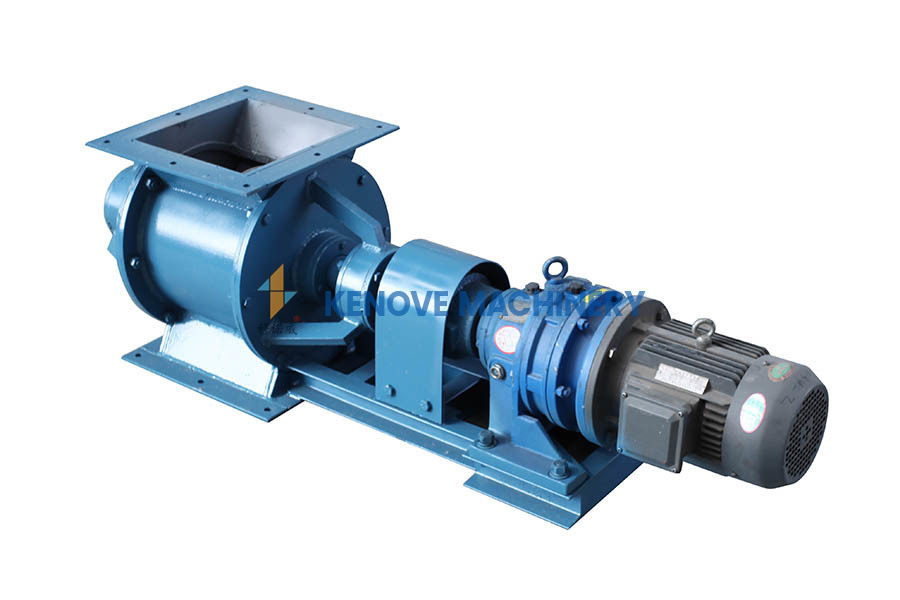
In the agricultural machinery sector, efficiency and reliability are paramount, especially when it comes to managing fluid control systems. One component that plays a crucial role in this domain is the rotary blanking valve. This article will delve into the functions and applications of rotary blanking valves in agricultural machinery, helping you understand their importance in enhancing operational efficiency.
A rotary blanking valve is designed to control the flow of fluids, ensuring that the appropriate amount is directed to various parts of agricultural equipment. This device is often employed in systems where liquid management is critical, such as in irrigation or fertilization machinery. By using a rotary mechanism, these valves provide a reliable method for opening and closing fluid pathways, thus enabling precise control of the fluid's direction and flow rate.
One of the primary advantages of rotary blanking valves is their ability to minimize downtime during operation. In agriculture, time is of the essence, and any delays in machinery can lead to significant losses. By integrating rotary blanking valves into your equipment, you can ensure quick and efficient transitions between different operational modes without the need for extensive manual intervention. This feature is particularly beneficial in scenarios where farmers need to switch between irrigation and other functions quickly.
Additionally, rotary blanking valves are known for their durability and resistance to wear and tear. Agricultural environments can be harsh, with exposure to dirt, moisture, and chemicals. The robust construction of these valves allows them to withstand challenging conditions, thereby reducing the likelihood of failure and the need for frequent maintenance. This durability not only translates to lower operational costs but also enhances the overall reliability of your agricultural machinery.
Moreover, the installation of rotary blanking valves contributes to better resource management. By accurately controlling fluid distribution, these valves help reduce waste, ensuring that water and fertilizers are utilized efficiently. This not only benefits the environment by minimizing runoff and pollution but also supports sustainable farming practices, which are increasingly important in today's agricultural landscape.
In summary, rotary blanking valves are integral components of modern agricultural machinery, providing essential functionality that enhances fluid control and operational efficiency. Their ability to facilitate quick transitions, durability in harsh conditions, and contribution to better resource management make them a valuable addition to any farming operation. By understanding the role of rotary blanking valves, you can make informed decisions about upgrading or maintaining your agricultural equipment, ultimately leading to improved productivity and sustainability in your farming practices.
A rotary blanking valve is designed to control the flow of fluids, ensuring that the appropriate amount is directed to various parts of agricultural equipment. This device is often employed in systems where liquid management is critical, such as in irrigation or fertilization machinery. By using a rotary mechanism, these valves provide a reliable method for opening and closing fluid pathways, thus enabling precise control of the fluid's direction and flow rate.
One of the primary advantages of rotary blanking valves is their ability to minimize downtime during operation. In agriculture, time is of the essence, and any delays in machinery can lead to significant losses. By integrating rotary blanking valves into your equipment, you can ensure quick and efficient transitions between different operational modes without the need for extensive manual intervention. This feature is particularly beneficial in scenarios where farmers need to switch between irrigation and other functions quickly.
Additionally, rotary blanking valves are known for their durability and resistance to wear and tear. Agricultural environments can be harsh, with exposure to dirt, moisture, and chemicals. The robust construction of these valves allows them to withstand challenging conditions, thereby reducing the likelihood of failure and the need for frequent maintenance. This durability not only translates to lower operational costs but also enhances the overall reliability of your agricultural machinery.
Moreover, the installation of rotary blanking valves contributes to better resource management. By accurately controlling fluid distribution, these valves help reduce waste, ensuring that water and fertilizers are utilized efficiently. This not only benefits the environment by minimizing runoff and pollution but also supports sustainable farming practices, which are increasingly important in today's agricultural landscape.
In summary, rotary blanking valves are integral components of modern agricultural machinery, providing essential functionality that enhances fluid control and operational efficiency. Their ability to facilitate quick transitions, durability in harsh conditions, and contribution to better resource management make them a valuable addition to any farming operation. By understanding the role of rotary blanking valves, you can make informed decisions about upgrading or maintaining your agricultural equipment, ultimately leading to improved productivity and sustainability in your farming practices.
Contact Us
Intersection of Yinhua Road And Fengshan Road,Pingyi County, Linyi City,Shandong,China
