





How to Choose the Right Urea Melting Tank for Your Agricultural Needs
Release time:
Jul 08,2026
How to Choose the Right Urea Melting Tank for Your Agricultural Needs Table of Contents Introduction to Urea Melting Tanks The Importance of Urea in Agriculture Types of Urea Melting Tanks Determining the Right Capacity for Your Needs Choosing the Right Material for Durability Maintenance and Care for Your Urea Melting Tank Evaluating Costs and Budget Considerations
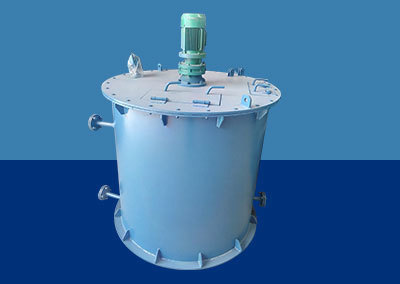
How to Choose the Right Urea Melting Tank for Your Agricultural Needs
Table of Contents
- Introduction to Urea Melting Tanks
- The Importance of Urea in Agriculture
- Types of Urea Melting Tanks
- Determining the Right Capacity for Your Needs
- Choosing the Right Material for Durability
- Maintenance and Care for Your Urea Melting Tank
- Evaluating Costs and Budget Considerations
- Safety Features to Consider in Urea Melting Tanks
- Frequently Asked Questions
- Conclusion
Introduction to Urea Melting Tanks
When it comes to modern agriculture, efficiency and effectiveness are key to maximizing yield and minimizing costs. One essential component in achieving these goals is the use of urea, a widely employed nitrogen fertilizer. To utilize urea effectively, especially in colder climates where it can solidify, agricultural operations rely on urea melting tanks. But how do you choose the right one for your specific needs? This guide will walk you through the important considerations to ensure you make the best selection.
The Importance of Urea in Agriculture
Urea is one of the most commonly used nitrogen sources in fertilizers due to its high nitrogen content and affordability. Its role in promoting plant growth, enhancing crop yields, and improving soil health cannot be overstated. However, urea's effectiveness can be compromised if it is not stored and handled properly. This is where a quality urea melting tank comes into play.
Types of Urea Melting Tanks
There are several types of urea melting tanks available on the market, each designed for specific agricultural applications. Understanding these types will help you make an informed decision:
1. Conventional Urea Melting Tanks
These tanks are typically used for general agricultural practices. They are equipped with heating elements to melt solid urea and are available in various sizes.
2. Insulated Urea Melting Tanks
Insulated tanks are ideal for regions with extreme temperatures, as they maintain a consistent temperature and prevent the urea from solidifying.
3. Mobile Urea Melting Tanks
For farmers who need flexibility, mobile tanks offer the advantage of portability. These tanks can be easily moved to different locations as needed.
4. Custom-Built Urea Melting Tanks
For specific agricultural needs, custom-built tanks can be designed to meet unique specifications, ensuring the most efficient operation.
Determining the Right Capacity for Your Needs
Choosing the right tank capacity is crucial for ensuring you have enough melted urea available when you need it. Here are some factors to consider:
1. Size of Your Operation
The scale of your agricultural operation will significantly influence the capacity of the melting tank you require. Larger operations may need tanks with a higher capacity to meet increased demand.
2. Crop Type and Growth Cycle
Different crops have varying nitrogen requirements at different growth stages. Understanding these needs will help you determine how much urea you will need and, consequently, the appropriate tank size.
3. Seasonal Variability
Consider the seasonal changes in temperature and urea usage. If you operate in a region with cold winters, a larger tank may be necessary to ensure consistent availability throughout the season.
Choosing the Right Material for Durability
The material of the urea melting tank plays a significant role in its durability and longevity. Here are some common materials used:
1. Stainless Steel
Stainless steel tanks are highly durable and resistant to corrosion, making them an excellent choice for long-term use.
2. Polyethylene
Polyethylene tanks are lightweight and resistant to chemicals, but they may not be suitable for high-temperature applications.
3. Fiberglass
Fiberglass tanks combine durability with weight savings, making them a popular choice among farmers.
Maintenance and Care for Your Urea Melting Tank
Proper maintenance is essential to ensure the longevity and efficiency of your urea melting tank. Here are some maintenance tips:
1. Regular Cleaning
Regularly clean the tank to prevent buildup of urea residues, which can affect performance.
2. Inspections
Perform periodic inspections to check for any signs of wear, corrosion, or damage that may compromise the tank's integrity.
3. Temperature Control
Ensure that the heating elements are functioning correctly to maintain the desired temperature, especially during cold weather.
Evaluating Costs and Budget Considerations
When selecting a urea melting tank, understanding the costs involved is crucial. Here are some budget considerations:
1. Initial Investment
Evaluate the upfront cost of purchasing the tank, as this will vary significantly based on size, material, and features.
2. Operating Costs
Consider the ongoing costs associated with operating the tank, including energy consumption for heating and maintenance expenses.
3. Long-Term Value
While a higher initial investment may seem daunting, investing in a quality tank can lead to long-term savings through increased efficiency and reduced maintenance needs.
Safety Features to Consider in Urea Melting Tanks
Safety should always be a top priority when choosing agricultural equipment. Here are key safety features to look for:
1. Pressure Relief Valves
Pressure relief valves help prevent dangerous pressure build-up inside the tank, ensuring safe operation.
2. Insulation
Good insulation not only helps maintain temperature but also reduces the risk of burns or injuries from hot surfaces.
3. Emergency Shut-off Systems
Ensure that the tank is equipped with an emergency shut-off system that can quickly halt operations in case of a malfunction.
Frequently Asked Questions
1. What is the typical lifespan of a urea melting tank?
A well-maintained urea melting tank can last anywhere from 10 to 25 years, depending on the material and usage conditions.
2. How often should I clean my urea melting tank?
It is advisable to clean the tank at least once a season or more frequently if used extensively.
3. Can I use a urea melting tank for other fertilizers?
While designed primarily for urea, some tanks can accommodate other fertilizers, but check with the manufacturer for compatibility.
4. Are there financing options available for purchasing a urea melting tank?
Many suppliers offer financing options or leasing arrangements to help manage the upfront costs.
5. What should I do if my urea melting tank shows signs of corrosion?
If you notice corrosion, it's essential to address it immediately. Depending on the severity, you may need to repair or replace the tank.
Conclusion
Choosing the right urea melting tank is a critical decision that can significantly impact the efficiency of your agricultural operations. By considering factors such as tank type, capacity, material, maintenance needs, and safety features, we can make a well-informed choice that meets your specific agricultural needs. Investing in the right equipment not only boosts productivity but also enhances the sustainability of your farming practices. Take the time to evaluate your options, and you will reap the benefits for years to come.
Contact Us
Intersection of Yinhua Road And Fengshan Road,Pingyi County, Linyi City,Shandong,China
