





Understanding Urea Melting Tanks: Essential Equipment for Agricultural Applications
Release time:
Aug 02,2026
Urea melting tanks play a vital role in various agricultural applications, particularly in the effective management and utilization of urea, a widely used nitrogen fertilizer. These tanks are designed to melt solid urea, transforming it into a liquid form that can be easily applied to crops. This process not only enhances the efficiency of fertilizer distribution but also ensures that nutrients ar
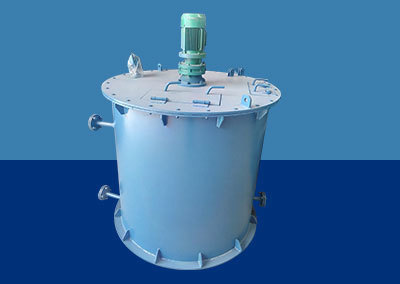
Urea melting tanks play a vital role in various agricultural applications, particularly in the effective management and utilization of urea, a widely used nitrogen fertilizer. These tanks are designed to melt solid urea, transforming it into a liquid form that can be easily applied to crops. This process not only enhances the efficiency of fertilizer distribution but also ensures that nutrients are readily available to plants when they need them the most.
The primary function of a urea melting tank is to provide a controlled environment for the melting process. Typically insulated to maintain a consistent temperature, these tanks can efficiently melt solid urea through the use of heating elements or hot water circulation. This is crucial, as maintaining the correct temperature is essential for preventing the degradation of urea, which can occur if exposed to excessive heat or prolonged exposure to moisture.
One of the significant advantages of using urea melting tanks is their ability to facilitate precision agriculture. By converting solid urea into a liquid form, farmers can apply the fertilizer more evenly and accurately. This precision not only maximizes the effectiveness of the fertilizer but also helps in minimizing environmental impact by reducing runoff and nutrient leaching. Additionally, liquid urea can be easily mixed with other nutrients and pesticides, allowing for a more comprehensive approach to crop nutrition management.
It's also important to consider the integration of urea melting tanks with other agricultural machinery. For instance, many modern spraying systems are designed to work seamlessly with liquid fertilizers. By utilizing a urea melting tank, farmers can ensure a continuous supply of liquid urea, enhancing the efficiency of their spraying operations. Moreover, this integration can lead to reduced labor costs and improved operational efficiency on the farm.
When selecting a urea melting tank, it’s crucial to consider factors such as capacity, heating method, and insulation. The size of the tank should correspond to the scale of operations, ensuring that it can accommodate the required volume of urea without excessive downtime for melting. Additionally, understanding the specific heating requirements and ensuring that the tank is well insulated will contribute to energy efficiency and operational effectiveness.
In conclusion, urea melting tanks are essential tools in modern agriculture, providing a reliable method for converting solid urea to liquid for efficient use. By facilitating precise application and integration with agricultural machinery, these tanks help farmers optimize nutrient management and improve crop yields. As the agricultural sector continues to evolve, the adoption of such technologies will be critical in meeting the growing food production demands while ensuring sustainable practices.
The primary function of a urea melting tank is to provide a controlled environment for the melting process. Typically insulated to maintain a consistent temperature, these tanks can efficiently melt solid urea through the use of heating elements or hot water circulation. This is crucial, as maintaining the correct temperature is essential for preventing the degradation of urea, which can occur if exposed to excessive heat or prolonged exposure to moisture.
One of the significant advantages of using urea melting tanks is their ability to facilitate precision agriculture. By converting solid urea into a liquid form, farmers can apply the fertilizer more evenly and accurately. This precision not only maximizes the effectiveness of the fertilizer but also helps in minimizing environmental impact by reducing runoff and nutrient leaching. Additionally, liquid urea can be easily mixed with other nutrients and pesticides, allowing for a more comprehensive approach to crop nutrition management.
It's also important to consider the integration of urea melting tanks with other agricultural machinery. For instance, many modern spraying systems are designed to work seamlessly with liquid fertilizers. By utilizing a urea melting tank, farmers can ensure a continuous supply of liquid urea, enhancing the efficiency of their spraying operations. Moreover, this integration can lead to reduced labor costs and improved operational efficiency on the farm.
When selecting a urea melting tank, it’s crucial to consider factors such as capacity, heating method, and insulation. The size of the tank should correspond to the scale of operations, ensuring that it can accommodate the required volume of urea without excessive downtime for melting. Additionally, understanding the specific heating requirements and ensuring that the tank is well insulated will contribute to energy efficiency and operational effectiveness.
In conclusion, urea melting tanks are essential tools in modern agriculture, providing a reliable method for converting solid urea to liquid for efficient use. By facilitating precise application and integration with agricultural machinery, these tanks help farmers optimize nutrient management and improve crop yields. As the agricultural sector continues to evolve, the adoption of such technologies will be critical in meeting the growing food production demands while ensuring sustainable practices.
Contact Us
Intersection of Yinhua Road And Fengshan Road,Pingyi County, Linyi City,Shandong,China
