





Innovative Features of Urea Melting Tanks: What You Should Know
Release time:
Aug 27,2026
Innovative Features of Urea Melting Tanks: What You Should Know Table of Contents 1. Introduction to Urea Melting Tanks 2. The Importance of Urea in Agriculture 3. Innovative Design Features of Urea Melting Tanks 3.1 Material Construction and Durability 3.2 Advanced Heating Methods 3.3 Insulation and Energy Efficiency 3.4 Automation and Contr
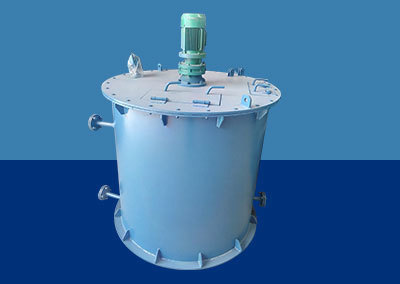
Innovative Features of Urea Melting Tanks: What You Should Know
Table of Contents
- 1. Introduction to Urea Melting Tanks
- 2. The Importance of Urea in Agriculture
- 3. Innovative Design Features of Urea Melting Tanks
- 3.1 Material Construction and Durability
- 3.2 Advanced Heating Methods
- 3.3 Insulation and Energy Efficiency
- 3.4 Automation and Control Systems
- 4. Enhancing Operational Efficiency
- 5. Environmental Impact of Urea Melting Tanks
- 6. Maintenance Considerations
- 7. Future Trends in Urea Melting Technology
- 8. Frequently Asked Questions (FAQs)
- 9. Conclusion
1. Introduction to Urea Melting Tanks
Urea melting tanks are essential components in the agricultural sector, primarily used for the efficient storage and melting of solid urea. These tanks are engineered to handle the specific needs of agricultural applications, ensuring that farmers and distributors can maintain an uninterrupted supply of this vital fertilizer. As agriculture continues to evolve, the innovative features of urea melting tanks play a critical role in enhancing productivity and sustainability.
2. The Importance of Urea in Agriculture
Urea is one of the most widely used nitrogen fertilizers in the world, primarily due to its high nitrogen content. It serves as a crucial nutrient for plant growth, facilitating various physiological processes. The effective use of urea can significantly enhance crop yields, making it indispensable for modern agricultural practices. Understanding how to manage urea effectively through technologies like melting tanks is essential for optimal agricultural productivity.
3. Innovative Design Features of Urea Melting Tanks
The design of urea melting tanks has evolved rapidly, with new technologies and materials enhancing their functionality. Below are several key features that set modern urea melting tanks apart:
3.1 Material Construction and Durability
Modern urea melting tanks are constructed using high-quality materials such as stainless steel or specialized alloys that resist corrosion and wear. These materials ensure longevity and reduce the risk of contamination, which is crucial when dealing with agricultural products. The robust construction helps maintain the integrity of the urea, preventing degradation over time.
3.2 Advanced Heating Methods
Heating methods have evolved to include advanced technologies like electric heating, steam heating, and indirect heating systems. These methods provide precise temperature control, preventing overheating and ensuring the uniform melting of urea. The ability to customize heating methods based on operational requirements allows for greater flexibility and efficiency in agricultural applications.
3.3 Insulation and Energy Efficiency
Energy efficiency is a significant consideration in the design of urea melting tanks. Modern tanks are equipped with advanced insulation materials that minimize heat loss, ensuring that melting processes consume less energy. This not only reduces operational costs but also supports sustainable farming practices by lowering the carbon footprint associated with urea processing.
3.4 Automation and Control Systems
Automation plays a pivotal role in the functionality of urea melting tanks. Advanced control systems allow for real-time monitoring and adjustments to temperature, pressure, and melting rates. Automation reduces human error and enhances safety, leading to more consistent product quality. It also allows operators to manage multiple tanks simultaneously, increasing overall productivity.
4. Enhancing Operational Efficiency
The innovative features of urea melting tanks contribute significantly to operational efficiency in agricultural settings. By utilizing superior materials, advanced heating systems, and automation, farmers can expect reduced downtime, lower energy consumption, and improved workflows. This efficiency translates into cost savings and enhanced productivity, enabling farmers to focus on other critical aspects of their operations.
5. Environmental Impact of Urea Melting Tanks
The environmental impact of agricultural practices is a growing concern, and urea melting tanks are no exception. By optimizing energy use and minimizing waste, modern melting tanks can contribute to sustainable farming practices. Implementing environmentally friendly technologies, such as renewable energy sources and waste heat recovery systems, can significantly reduce the ecological footprint of urea melting processes.
6. Maintenance Considerations
Proper maintenance is crucial to ensure the longevity and efficiency of urea melting tanks. Regular inspections should be conducted to identify any wear or tear, particularly in heating elements and control systems. Cleaning protocols must also be established to prevent contamination and ensure product quality. By investing in maintenance, operators can extend the lifespan of their equipment and prevent costly breakdowns.
7. Future Trends in Urea Melting Technology
As agricultural technology continues to advance, several trends are emerging in urea melting tank design and functionality. Innovations such as smart sensors, IoT integration, and machine learning capabilities will likely become more prevalent. These advancements can provide deeper insights into operational efficiency and performance, allowing for data-driven decision-making in agricultural practices.
8. Frequently Asked Questions (FAQs)
What is a urea melting tank?
A urea melting tank is a specialized vessel used to store and melt solid urea fertilizer, ensuring a continuous and efficient supply for agricultural use.
What are the benefits of using urea melting tanks?
Urea melting tanks enhance operational efficiency, improve product quality, reduce energy consumption, and support sustainable agricultural practices.
How does automation improve the functionality of urea melting tanks?
Automation provides real-time monitoring and control of melting processes, reducing human error, increasing safety, and enhancing overall productivity.
What maintenance is required for urea melting tanks?
Regular inspections, cleaning protocols, and preventive maintenance are essential to ensure the efficient operation and longevity of urea melting tanks.
What are the environmental benefits of modern urea melting tanks?
Modern urea melting tanks can reduce energy consumption and waste, contributing to more sustainable agricultural practices and minimizing the ecological footprint.
9. Conclusion
The innovative features of urea melting tanks play a vital role in enhancing agricultural efficiency and sustainability. With advancements in design, technology, and automation, these tanks are equipped to meet the evolving demands of modern farming. By investing in high-quality urea melting tanks, farmers can optimize their operations, reduce costs, and contribute to environmentally friendly agricultural practices. Understanding these innovations is essential for anyone involved in the agricultural sector, as they pave the way for a more productive and sustainable future.
Contact Us
Intersection of Yinhua Road And Fengshan Road,Pingyi County, Linyi City,Shandong,China
