





Examining the Cost-Effectiveness of Rotary Blanking Valves in Agriculture
Release time:
Sep 06,2026
Examining the Cost-Effectiveness of Rotary Blanking Valves in Agriculture Table of Contents Understanding Rotary Blanking Valves Benefits of Using Rotary Blanking Valves in Agriculture Cost Analysis of Rotary Blanking Valves Comparative Analysis with Other Valve Types Factors Influencing Cost-Effectiveness Installation and Maintenance Costs Case Studies and Real-World
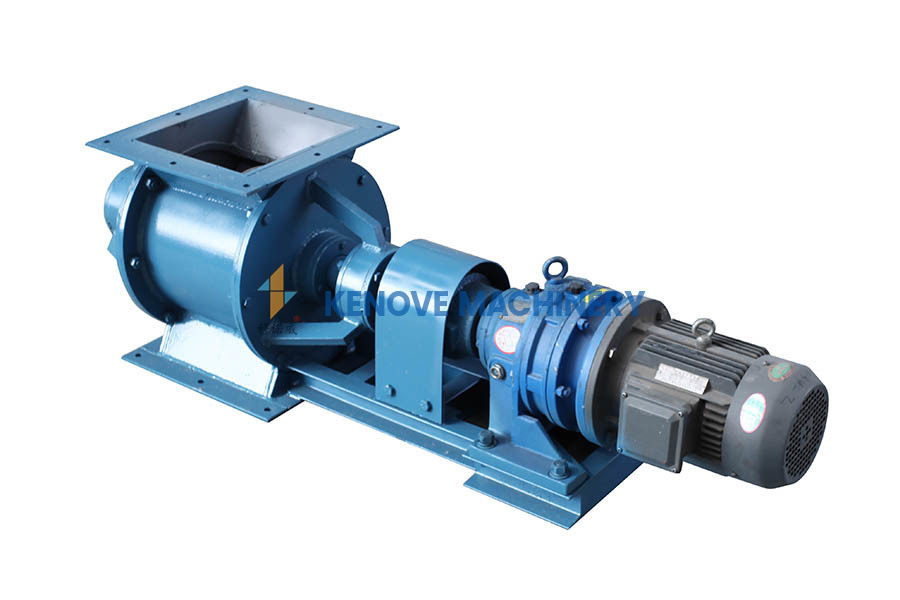
Examining the Cost-Effectiveness of Rotary Blanking Valves in Agriculture
Table of Contents
- Understanding Rotary Blanking Valves
- Benefits of Using Rotary Blanking Valves in Agriculture
- Cost Analysis of Rotary Blanking Valves
- Comparative Analysis with Other Valve Types
- Factors Influencing Cost-Effectiveness
- Installation and Maintenance Costs
- Case Studies and Real-World Applications
- Frequently Asked Questions
- Conclusion
Understanding Rotary Blanking Valves
Rotary blanking valves are essential components in various agricultural systems, primarily used to control the flow of fluids in irrigation, fertilizer distribution, and other agricultural applications. These valves operate by utilizing a rotary mechanism that opens or closes the flow path, ensuring optimal control over the distribution of resources. This functionality not only enhances efficiency but also minimizes waste, making it a vital tool in modern farming practices.
Benefits of Using Rotary Blanking Valves in Agriculture
The adoption of rotary blanking valves in agricultural settings offers numerous advantages:
1. Enhanced Precision in Resource Management
One of the primary benefits of rotary blanking valves is their ability to provide precise control over the flow rates of water and fertilizers. This precision ensures that crops receive the exact amount of resources they need, reducing excess consumption and promoting healthier growth.
2. Reduction in Operational Costs
By optimizing resource usage, rotary blanking valves help lower operational costs. Farmers can minimize waste and conserve materials, leading to significant savings over time. This aspect is particularly crucial in the context of rising agricultural input costs.
3. Increased Durability and Reliability
Manufactured from high-quality materials, rotary blanking valves are designed to withstand harsh environmental conditions. Their durability ensures a longer lifespan, reducing the frequency of replacements and maintenance, which further contributes to cost-effectiveness.
4. Compatibility with Automation Systems
Modern agriculture increasingly relies on automation and smart farming technologies. Rotary blanking valves can easily integrate with automated systems, enhancing overall operational efficiency. This compatibility allows for real-time monitoring and adjustments, which can lead to optimized resource use.
Cost Analysis of Rotary Blanking Valves
Understanding the cost structure of rotary blanking valves is crucial for assessing their overall value. The costs can be broken down into several key components:
1. Initial Purchase Price
The initial investment in rotary blanking valves can vary based on material, size, and manufacturer. While some may perceive these costs as significant, it is essential to consider the long-term benefits and savings they offer.
2. Installation Costs
Proper installation is critical to ensuring the effective operation of rotary blanking valves. While installation costs can vary depending on the complexity of the system, investing in professional installation can lead to better performance and longevity of the valves.
3. Maintenance and Repairs
Routine maintenance is essential for any agricultural equipment, including rotary blanking valves. Although these valves are designed for durability, periodic inspections and maintenance can prevent costly repairs and extend their operational life.
Comparative Analysis with Other Valve Types
To fully appreciate the cost-effectiveness of rotary blanking valves, it is beneficial to compare them with other valve types commonly used in agriculture.
1. Ball Valves
Ball valves are known for their simplicity and reliability. However, they may not offer the same level of precision in flow control as rotary blanking valves. While ball valves can be less expensive initially, their operational costs may increase due to less efficient resource management.
2. Gate Valves
Gate valves are often used in larger irrigation systems due to their ability to handle high flow rates. However, they also have limitations in terms of flow regulation. In contrast, rotary blanking valves provide more precise control, making them a more cost-effective solution in many scenarios.
3. Solenoid Valves
Solenoid valves are commonly used in automated systems but can be subject to failure due to electrical issues. In contrast, rotary blanking valves do not rely on electricity for operation, making them more reliable in various conditions, particularly in remote areas.
Factors Influencing Cost-Effectiveness
Several factors contribute to the cost-effectiveness of rotary blanking valves, including:
1. Application Specificity
The specific application for which the rotary blanking valve is used can significantly influence its cost-effectiveness. For instance, valves used in drip irrigation systems may provide greater savings compared to those used in large-scale flood irrigation.
2. Farming Practices
The farming methods employed can also affect the overall value derived from rotary blanking valves. Sustainable practices that focus on minimizing resource waste will yield better returns when employing these valves.
3. Technological Integration
The extent to which rotary blanking valves are integrated with technology can enhance their effectiveness. Systems that utilize sensors and automation can maximize efficiency and further reduce operational costs.
Installation and Maintenance Costs
1. Importance of Professional Installation
Investing in professional installation ensures that rotary blanking valves function optimally. This investment can prevent early failures or complications that could lead to costly repairs down the line.
2. Routine Maintenance Practices
Regular maintenance practices, such as cleaning and inspecting valve components, are essential to preventing malfunctions. Creating a maintenance schedule can help farmers stay ahead of potential issues, reducing downtime and repair costs.
Case Studies and Real-World Applications
To better understand the cost-effectiveness of rotary blanking valves, examining real-world applications can provide valuable insights:
1. Drip Irrigation in Vineyards
In a case study involving a vineyard, the implementation of rotary blanking valves in the drip irrigation system led to a 30% reduction in water usage. This improvement not only saved costs but also contributed to healthier vine growth.
2. Fertilizer Distribution in Row Crops
A row crop farm reported improved fertilizer efficiency after replacing traditional valves with rotary blanking valves. The precise control allowed for the targeted application of nutrients, resulting in increased yields while reducing overall fertilizer costs.
Frequently Asked Questions
1. What are rotary blanking valves used for in agriculture?
Rotary blanking valves are used to control fluid flow in various agricultural applications, including irrigation and fertilizer distribution.
2. How do rotary blanking valves compare to other valve types?
Compared to ball, gate, and solenoid valves, rotary blanking valves offer enhanced precision, durability, and reliability, making them a more cost-effective choice for many agricultural applications.
3. Are rotary blanking valves easy to maintain?
Yes, rotary blanking valves require routine maintenance, including inspections and cleaning, to ensure optimal performance and longevity.
4. Can rotary blanking valves be automated?
Yes, rotary blanking valves can be integrated with automation systems for improved efficiency and real-time monitoring.
5. What factors should I consider when choosing a rotary blanking valve?
Consider the specific application, compatibility with existing systems, initial costs, and long-term maintenance requirements when selecting a rotary blanking valve.
Conclusion
In conclusion, rotary blanking valves represent a pivotal advancement in agricultural technology, offering substantial benefits in terms of cost-effectiveness, efficiency, and sustainability. By understanding their mechanisms, advantages, and real-world applications, farmers can make informed decisions that enhance their operational effectiveness. Investing in rotary blanking valves not only optimizes resource management but also paves the way for more sustainable farming practices, ultimately contributing to the long-term success of agricultural enterprises.
Contact Us
Intersection of Yinhua Road And Fengshan Road,Pingyi County, Linyi City,Shandong,China
