





Understanding the Functionality and Importance of Urea Melting Tanks in Agricultural Operations
Release time:
Sep 21,2026
Urea Melting Tanks are specialized equipment utilized predominantly in agricultural settings to facilitate the effective melting and handling of urea, a crucial nitrogen source for crops. Understanding the functionality and benefits of Urea Melting Tanks is essential for agricultural professionals looking to enhance their operational efficiency and productivity. The primary purpose of a Urea Melti
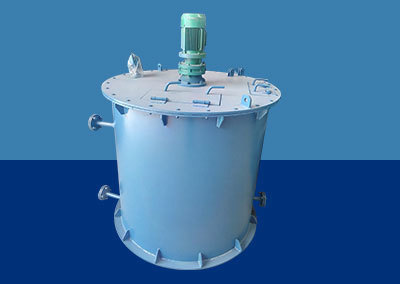
Urea Melting Tanks are specialized equipment utilized predominantly in agricultural settings to facilitate the effective melting and handling of urea, a crucial nitrogen source for crops. Understanding the functionality and benefits of Urea Melting Tanks is essential for agricultural professionals looking to enhance their operational efficiency and productivity.
The primary purpose of a Urea Melting Tank is to dissolve solid urea into a liquid form, thus making it easier to store, transport, and apply as a fertilizer. Urea, being one of the most widely used nitrogen fertilizers, needs to be handled properly to minimize loss of nutrients and ensure that it remains effective for crop growth. The melting process typically involves the use of heat, which can be generated through various methods, including steam or electrical heating elements, depending on the design of the tank.
One of the significant advantages of using a Urea Melting Tank is the reduction of handling issues associated with solid urea. In solid form, urea can be clumpy and challenging to manage, leading to inefficiencies during application. By converting urea into a liquid state, farmers can ensure a more uniform distribution, which enhances nutrient uptake by plants. This not only improves crop yields but also minimizes the environmental impact of excessive fertilizer application.
Moreover, Urea Melting Tanks are designed with specific features to ensure safety and efficiency. Many tanks are equipped with temperature controls and safety valves to prevent overheating or pressure build-up, which can pose risks during operation. The materials used in the construction of these tanks are often resistant to corrosion and chemical reactions, ensuring a longer lifespan and reduced maintenance costs.
Integrating Urea Melting Tanks into agricultural operations can also lead to better resource management. The ability to produce liquid urea on-site reduces the need for transportation and storage of solid urea, which can be costly and logistically challenging. Additionally, this equipment allows for tailored fertilizer application rates, further optimizing the use of fertilizers according to specific crop needs and soil conditions.
In conclusion, Urea Melting Tanks play a critical role in modern agricultural practices by enhancing the efficiency of urea handling. By transforming solid urea into a more manageable liquid form, these tanks not only optimize the application process but also contribute to sustainable farming practices. For agricultural professionals, investing in Urea Melting Tanks can lead to improved crop performance and better resource utilization. Understanding their functionality and benefits is essential for maximizing agricultural productivity in today’s competitive landscape.
Contact Us
Intersection of Yinhua Road And Fengshan Road,Pingyi County, Linyi City,Shandong,China
