





Understanding Rotary Blanking Valves: A Key Component in Agricultural Machinery
Release time:
Oct 01,2026
Rotary blanking valves are crucial components commonly found in a variety of agricultural machinery. Their primary function is to control the flow of fluids or gases, ensuring that systems operate efficiently and effectively. In the context of agricultural equipment, these valves play a vital role in managing the flow of hydraulic fluids, which are essential for the operation of various types of m
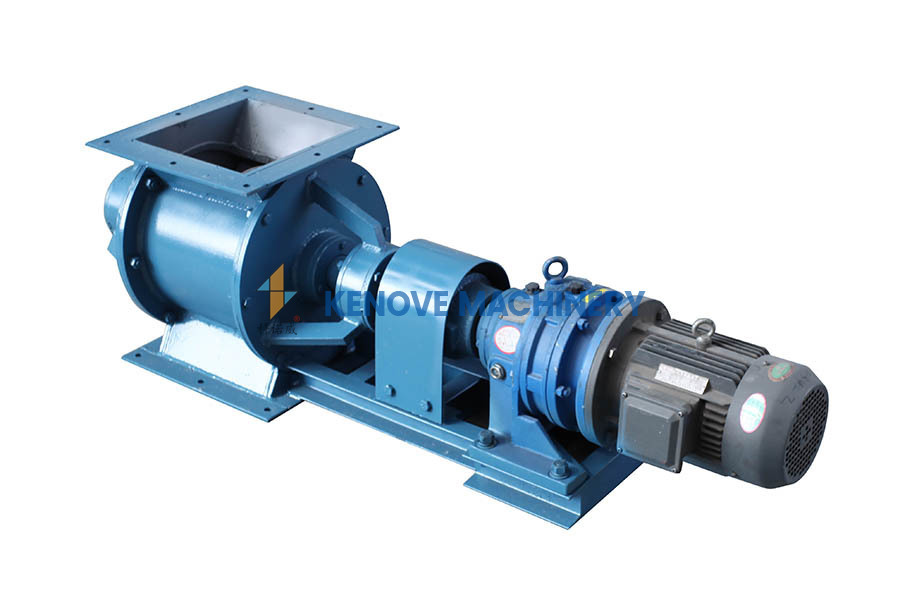
Rotary blanking valves are crucial components commonly found in a variety of agricultural machinery. Their primary function is to control the flow of fluids or gases, ensuring that systems operate efficiently and effectively. In the context of agricultural equipment, these valves play a vital role in managing the flow of hydraulic fluids, which are essential for the operation of various types of machinery, from tractors to harvesting equipment.
One of the most significant advantages of rotary blanking valves is their ability to provide a reliable shut-off mechanism. This functionality is particularly important in agricultural settings where precise control over fluid dynamics is necessary to prevent spills or leaks, which could lead to hazardous conditions. These valves can quickly isolate sections of a system for maintenance or repair, ensuring minimal downtime—a critical factor in the fast-paced world of agriculture.
Additionally, rotary blanking valves are designed to withstand tough working conditions typically found in agricultural environments. They are built to endure exposure to dirt, moisture, and varying temperatures, making them durable and reliable components. This durability translates into lower maintenance costs and longer service life, which are vital considerations for farmers looking to maximize productivity.
The installation of rotary blanking valves in agricultural machinery can also enhance overall system performance. By optimizing fluid flow and improving pressure management, these valves can help reduce energy consumption. This efficiency not only lowers operational costs but also contributes to more sustainable farming practices, aligning with the growing demand for environmentally friendly agricultural solutions.
Moreover, the versatility of rotary blanking valves makes them suitable for various applications within the agricultural sector. Whether used in irrigation systems to manage water flow, in pneumatic systems for seed planting, or in hydraulic systems for lifting equipment, these valves are integral to the functionality of modern agricultural machinery.
To ensure optimal performance, it is crucial for operators and maintenance teams to understand the specifications and operational parameters of the rotary blanking valves used in their equipment. Regular inspections and adherence to maintenance schedules can prevent potential failures and ensure the longevity of the machinery.
In summary, rotary blanking valves are indispensable components in the agricultural machinery landscape. Their ability to provide efficient flow control, coupled with their durability and versatility, makes them essential for ensuring the reliable operation of various agricultural processes. By investing in quality rotary blanking valves and understanding their role, agricultural professionals can enhance efficiency, reduce costs, and contribute to sustainable farming practices.
Contact Us
Intersection of Yinhua Road And Fengshan Road,Pingyi County, Linyi City,Shandong,China
