





Maximizing Efficiency in Farming: The Role of Rotary Drum Agglomerators
Release time:
Nov 10,2025
Maximizing Efficiency in Farming: The Role of Rotary Drum Agglomerators Table of Contents 1. Introduction 2. What Are Rotary Drum Agglomerators? 3. How Rotary Drum Agglomerators Work 4. Benefits of Rotary Drum Agglomerators for Farming 5. Applications in Agriculture 6. Comparative Analysis: Rotary Drum Agglomerators vs. Traditional Methods 7. Best Practices for Impleme
Maximizing Efficiency in Farming: The Role of Rotary Drum Agglomerators
Table of Contents
- 1. Introduction
- 2. What Are Rotary Drum Agglomerators?
- 3. How Rotary Drum Agglomerators Work
- 4. Benefits of Rotary Drum Agglomerators for Farming
- 5. Applications in Agriculture
- 6. Comparative Analysis: Rotary Drum Agglomerators vs. Traditional Methods
- 7. Best Practices for Implementing Rotary Drum Agglomerators
- 8. Future Trends in Agriculture and Rotary Drum Agglomerators
- 9. FAQs
- 10. Conclusion
1. Introduction
The agricultural industry faces relentless challenges, from rising operational costs to increasing demands for sustainable practices. As farmers strive to enhance productivity while minimizing environmental impact, innovative solutions become imperative. One such solution is the **rotary drum agglomerator**. This technology not only streamlines various processes within farming but also maximizes efficiency, making it an essential tool in modern agriculture.
In this article, we will explore the intricate workings of rotary drum agglomerators, their benefits, applications, and how they stand out against traditional methods. We aim to provide an in-depth understanding of this technology and its significant role in transforming farming practices.
2. What Are Rotary Drum Agglomerators?
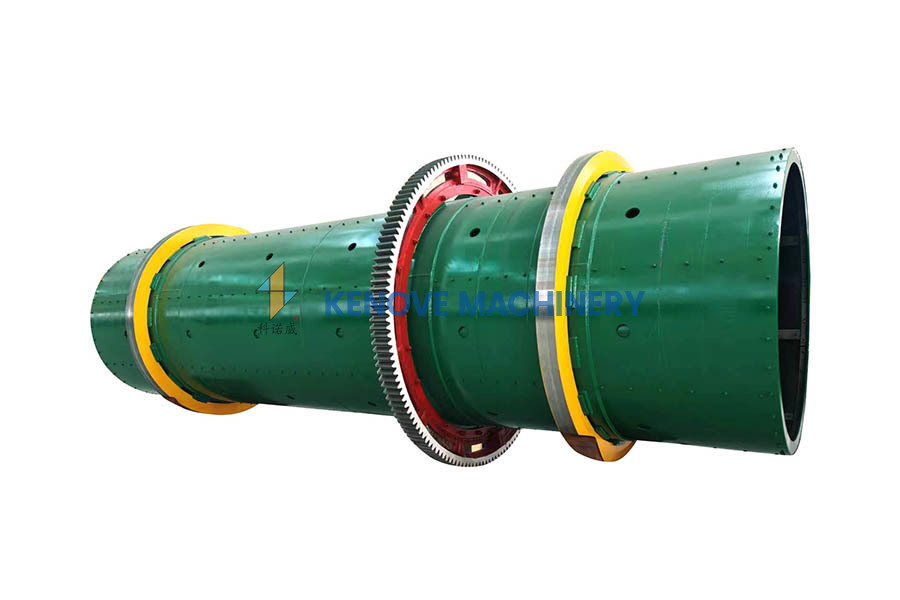
Rotary drum agglomerators are advanced machinery designed to combine and compact fine particles into larger, more manageable granules. These devices operate in a cylindrical drum that rotates around its axis, facilitating the agglomeration process. By utilizing a combination of moisture, binders, and mechanical force, rotary drum agglomerators produce uniform particle sizes that are ideal for various agricultural applications.
This technology is particularly beneficial in producing fertilizers, animal feeds, and soil amendments, where consistent particle size and density are crucial for optimal performance.
3. How Rotary Drum Agglomerators Work
The operation of rotary drum agglomerators involves several key steps:
3.1 Feed Material Preparation
Before the agglomeration process begins, feed materials are prepared. This may include the selection of raw materials, grinding to achieve desired particle sizes, and the addition of moisture or binders.
3.2 Agglomeration Process
Once prepared, the feed material is introduced into the rotating drum. As the drum spins, the combined forces of gravity, friction, and mechanical agitation promote particle collision and bonding. This process forms larger granules, enhancing the material’s handling and application characteristics.
3.3 Drying and Cooling
Post-agglomeration, the newly formed granules often require drying or cooling to achieve the desired moisture content and prevent clumping during storage.
3.4 Final Product Inspection
Quality control measures are implemented to ensure that the agglomerated product meets specific standards. This may include particle size distribution analysis and moisture content testing.
4. Benefits of Rotary Drum Agglomerators for Farming
Utilizing rotary drum agglomerators presents numerous advantages for farming operations:
4.1 Enhanced Efficiency
These machines significantly reduce processing time compared to conventional methods, allowing farmers to increase throughput and meet production demands more effectively.
4.2 Improved Product Quality
Agglomerated products exhibit superior qualities, such as uniform size and enhanced solubility, which are essential for fertilizers and animal feeds.
4.3 Sustainability
By promoting the utilization of waste materials and optimizing resource use, rotary drum agglomerators contribute to sustainable agricultural practices. Farmers can create value-added products from by-products, thereby reducing waste.
4.4 Versatility
Rotary drum agglomerators can handle various materials, including organic waste, fertilizers, and feedstock, making them suitable for diverse agricultural applications.
5. Applications in Agriculture
The versatility of rotary drum agglomerators allows for a wide range of applications within agriculture:
5.1 Fertilizer Production
These machines are widely used in the production of fertilizers, where consistent granule size enhances distribution and effectiveness in crop nutrition.
5.2 Animal Feed Manufacturing
In the animal feed sector, rotary drum agglomerators improve the palatability and digestibility of feed, resulting in better animal health and growth.
5.3 Soil Amendments
Farmers utilize agglomerated products to improve soil structure and fertility, facilitating better nutrient retention and moisture management.
5.4 Waste Management
Rotary drum agglomerators can process agricultural waste, converting it into valuable products and contributing to a circular economy in farming.
6. Comparative Analysis: Rotary Drum Agglomerators vs. Traditional Methods
When evaluating rotary drum agglomerators against conventional practices, several factors emerge:
6.1 Efficiency
While traditional methods may involve labor-intensive processes, rotary drum agglomerators streamline operations, reducing labor costs and time.
6.2 Quality Control
The precision offered by rotary drum agglomerators results in superior product quality compared to the inconsistent outcomes often associated with traditional agglomeration methods.
6.3 Environmental Impact
Rotary drum agglomerators promote sustainability by enabling recycling of waste materials, unlike traditional methods that may contribute to waste accumulation.
7. Best Practices for Implementing Rotary Drum Agglomerators
To maximize the benefits of rotary drum agglomerators, consider the following best practices:
7.1 Proper Material Selection
Choosing the right raw materials is crucial for achieving optimal agglomeration results. Ensure compatibility with binders and moisture levels.
7.2 Regular Maintenance
Routine maintenance of the equipment is essential to ensure consistent performance and longevity. Schedule inspections and service to prevent breakdowns.
7.3 Employee Training
Investing in training for operators ensures that they understand the machinery's functions and can troubleshoot issues effectively.
7.4 Monitor Process Parameters
Continuously monitor key process parameters such as moisture content, rotation speed, and feed rates to optimize production efficiency.
8. Future Trends in Agriculture and Rotary Drum Agglomerators
As technology evolves, so too does the potential for rotary drum agglomerators in agriculture. Future trends may include:
8.1 Automation and AI Integration
The integration of automation and artificial intelligence can enhance efficiency, allowing for real-time monitoring and adjustments to the agglomeration process.
8.2 Sustainable Practices
Increased emphasis on sustainable farming will drive the adoption of rotary drum agglomerators for waste recycling and organic farming applications.
8.3 Advanced Materials
Research into new binders and additives will further improve the agglomeration process, leading to higher quality products tailored to specific agricultural needs.
9. FAQs
9.1 What types of materials can be processed with rotary drum agglomerators?
Rotary drum agglomerators can process a wide range of materials, including fertilizers, animal feeds, and organic waste, making them versatile for various agricultural applications.
9.2 How does the cost of rotary drum agglomerators compare to traditional methods?
While the initial investment in rotary drum agglomerators may be higher, the long-term savings in labor and improved efficiency typically outweigh initial costs.
9.3 Are rotary drum agglomerators suitable for small-scale farms?
Yes, rotary drum agglomerators come in various sizes and configurations, making them suitable for both large and small-scale farming operations.
9.4 What maintenance is required for rotary drum agglomerators?
Regular maintenance includes cleaning, lubrication, and inspection of mechanical components to ensure optimal performance and longevity.
9.5 Can rotary drum agglomerators improve product quality?
Absolutely. The controlled environment of rotary drum agglomerators allows for consistent granule sizes and enhanced product quality, crucial for agricultural applications.
10. Conclusion
In summary, rotary drum agglomerators play a pivotal role in maximizing efficiency in modern farming. Their ability to streamline agricultural processes, enhance product quality, and promote sustainability makes them indispensable in today's ever-evolving agricultural landscape. By adopting this innovative technology, farmers can not only meet growing demands but also contribute to a more sustainable future in agriculture. As we look ahead, embracing rotary drum agglomerators will undoubtedly shape the future of farming, enabling greater productivity and environmental responsibility.
Contact Us
Intersection of Yinhua Road And Fengshan Road,Pingyi County, Linyi City,Shandong,China
