





How Rotary Blanking Valves Contribute to Sustainable Agriculture
Release time:
Jul 18,2026
How Rotary Blanking Valves Contribute to Sustainable Agriculture Table of Contents 1. Introduction to Rotary Blanking Valves 2. What Are Rotary Blanking Valves? 3. Importance of Rotary Blanking Valves in Agriculture 4. Mechanical Functionality of Rotary Blanking Valves 5. Contributions to Sustainable Agricultural Practices 6. Enhancing Resource Efficiency with Rotary Blank
How Rotary Blanking Valves Contribute to Sustainable Agriculture
Table of Contents
- 1. Introduction to Rotary Blanking Valves
- 2. What Are Rotary Blanking Valves?
- 3. Importance of Rotary Blanking Valves in Agriculture
- 4. Mechanical Functionality of Rotary Blanking Valves
- 5. Contributions to Sustainable Agricultural Practices
- 6. Enhancing Resource Efficiency with Rotary Blanking Valves
- 7. Reducing Environmental Impact through Advanced Technology
- 8. The Future of Rotary Blanking Valves in Agriculture
- 9. Frequently Asked Questions (FAQs)
- 10. Conclusion
1. Introduction to Rotary Blanking Valves
In the quest for sustainable agriculture, technological advancements have proven vital in enhancing efficiency and minimizing ecological footprints. Among these innovations, **rotary blanking valves** emerge as pivotal components that contribute significantly to this goal. This article will explore the intricate roles these valves play in modern agricultural practices, showcasing their benefits and implications for sustainability.
2. What Are Rotary Blanking Valves?
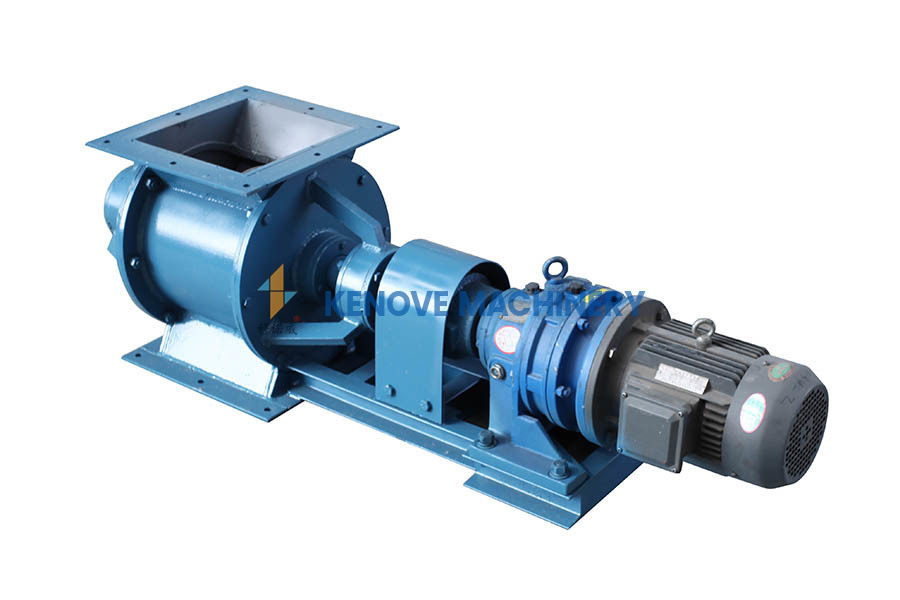
Rotary blanking valves are specialized devices used to control the flow of liquids, gases, or slurries in various applications, including agriculture. Their design features a rotating mechanism that allows for precise flow regulation, making them ideal for contexts where resource management is essential.
The construction typically includes durable materials, ensuring longevity and resilience in harsh agricultural environments. Their ability to quickly open or close flow paths contributes to efficient system management, reducing waste and optimizing performance.
3. Importance of Rotary Blanking Valves in Agriculture
In agriculture, resource management hinges on effective water usage, nutrient delivery, and pest control. Rotary blanking valves facilitate these processes by:
- **Enhancing Control**: They provide farmers with the ability to manage inputs accurately, ensuring that every drop of water or nutrient reaches its intended target.
- **Promoting Efficiency**: By minimizing waste through controlled flow, these valves help maximize the utility of resources, essential in a world facing water scarcity and increasing food demand.
- **Supporting Automation**: As agriculture increasingly turns toward automation, rotary blanking valves integrate seamlessly into automated irrigation and fertilization systems, optimizing overall operations.
4. Mechanical Functionality of Rotary Blanking Valves
The operation of rotary blanking valves involves a simple yet effective mechanical design. When activated, the valve's rotating element opens or closes the passageway, allowing or restricting fluid movement as needed.
Some key features that enhance their functionality include:
- **Sealing Mechanisms**: Advanced sealing technologies prevent leaks and ensure that the flow remains stable and controllable.
- **Varied Sizes and Configurations**: These valves come in various sizes and configurations to suit different agricultural applications, from small-scale farms to large agricultural operations.
- **Durability**: Constructed from corrosion-resistant materials, rotary blanking valves can withstand exposure to chemicals, fertilizers, and varying environmental conditions.
5. Contributions to Sustainable Agricultural Practices
Rotary blanking valves significantly contribute to sustainable agriculture by promoting practices that reduce environmental impact and improve resource conservation. Here’s how:
- **Water Conservation**: By enabling precise irrigation control, these valves help farmers apply water only when and where it’s needed, vastly reducing water waste.
- **Nutrient Management**: Farmers can better manage fertilizers and nutrients, applying them in targeted ways that minimize runoff and enhance soil health.
- **Reduced Energy Usage**: With more efficient water and nutrient delivery systems, rotary blanking valves can lead to decreased energy consumption in pumping and distribution operations.
6. Enhancing Resource Efficiency with Rotary Blanking Valves
Efficiency is at the heart of sustainable agriculture, and rotary blanking valves significantly enhance this aspect in several ways:
- **Precision Application**: These valves facilitate precision agriculture techniques, allowing for tailored applications of water and nutrients based on real-time data and soil conditions.
- **Integration with Smart Systems**: They can be integrated into smart farming technologies that utilize sensors and automation, leading to improved decision-making and more efficient resource use.
- **Cost Savings**: By minimizing waste and optimizing resource use, farmers can realize significant cost savings, enabling them to invest more into sustainable practices.
7. Reducing Environmental Impact through Advanced Technology
The environmental benefits of using rotary blanking valves extend far beyond mere resource efficiency. They also play a crucial role in reducing the overall ecological footprint of agricultural operations:
- **Lowering Carbon Emissions**: By reducing the energy required for irrigation and fertilization, these valves help lower greenhouse gas emissions associated with agricultural practices.
- **Soil and Water Conservation**: The precise control of water and nutrients means less runoff, which helps protect local ecosystems and maintain soil health.
- **Supporting Biodiversity**: By minimizing chemical use through better nutrient management, rotary blanking valves contribute to healthier ecosystems, supporting biodiversity in agricultural landscapes.
8. The Future of Rotary Blanking Valves in Agriculture
As the agriculture sector continues to evolve, the role of rotary blanking valves is likely to expand. Innovations such as smart agriculture and IoT (Internet of Things) integration will pave the way for even greater efficiencies and sustainability.
- **Smart Farming**: The integration of rotary blanking valves into smart farming systems will enable real-time monitoring and adjustments, further enhancing efficiency.
- **Data-Driven Decisions**: As technology advances, data analytics will play a more significant role in how these valves are utilized, allowing for tailored approaches to agriculture that prioritize sustainability.
- **Research and Development**: Ongoing research will likely focus on improving the materials and designs of rotary blanking valves, ensuring they continue to meet the demands of modern agriculture while promoting sustainability.
9. Frequently Asked Questions (FAQs)
1. What are the main benefits of using rotary blanking valves in agriculture?
The primary benefits include enhanced control over fluid flow, improved resource efficiency, and reduced environmental impact. They help optimize irrigation and nutrient application, resulting in cost savings and sustainable practices.
2. How do rotary blanking valves help in water conservation?
By enabling precise control over irrigation schedules and amounts, rotary blanking valves allow farmers to apply water only as needed, significantly reducing waste.
3. Are rotary blanking valves suitable for all types of agricultural applications?
Yes, rotary blanking valves are versatile and can be used in various agricultural settings, including irrigation, fertilization, and pest control systems.
4. Can rotary blanking valves be integrated with smart farming technologies?
Absolutely! Rotary blanking valves can be seamlessly integrated into smart farming systems that utilize sensors and automation for real-time monitoring and decision-making.
5. What role do rotary blanking valves play in reducing chemical runoff?
By allowing for precise application and control of fertilizers and pesticides, rotary blanking valves help minimize chemical runoff, protecting local ecosystems and water sources.
10. Conclusion
Rotary blanking valves are not just mechanical devices; they are integral to the future of sustainable agriculture. By enhancing resource efficiency, reducing environmental impacts, and supporting innovative agricultural practices, these valves represent a crucial step toward achieving sustainability in farming. As technology continues to advance, the potential for rotary blanking valves to contribute to a more sustainable agricultural landscape will only grow, making them an indispensable tool for modern farmers committed to protecting our planet.
Contact Us
Intersection of Yinhua Road And Fengshan Road,Pingyi County, Linyi City,Shandong,China
