





The Essential Guide to Rotary Blanking Valves for Agricultural Machinery
Release time:
Oct 26,2026
The Essential Guide to Rotary Blanking Valves for Agricultural Machinery In the world of agricultural machinery, efficiency and reliability are paramount. One component that plays a significant role in the overall performance of these machines is the rotary blanking valve. This guide will delve deep into the functions, benefits, and maintenance of rotary blanking valves, offering you valuable insi
The Essential Guide to Rotary Blanking Valves for Agricultural Machinery
In the world of agricultural machinery, efficiency and reliability are paramount. One component that plays a significant role in the overall performance of these machines is the rotary blanking valve. This guide will delve deep into the functions, benefits, and maintenance of rotary blanking valves, offering you valuable insights that can enhance your agricultural operations.
Understanding Rotary Blanking Valves
Rotary blanking valves are essential components used in various agricultural machinery applications. These valves serve to control the flow of fluids, ensuring that your machinery operates smoothly and efficiently. By understanding how these valves work, farmers and operators can make informed decisions that affect the overall performance of their equipment.
What are Rotary Blanking Valves?
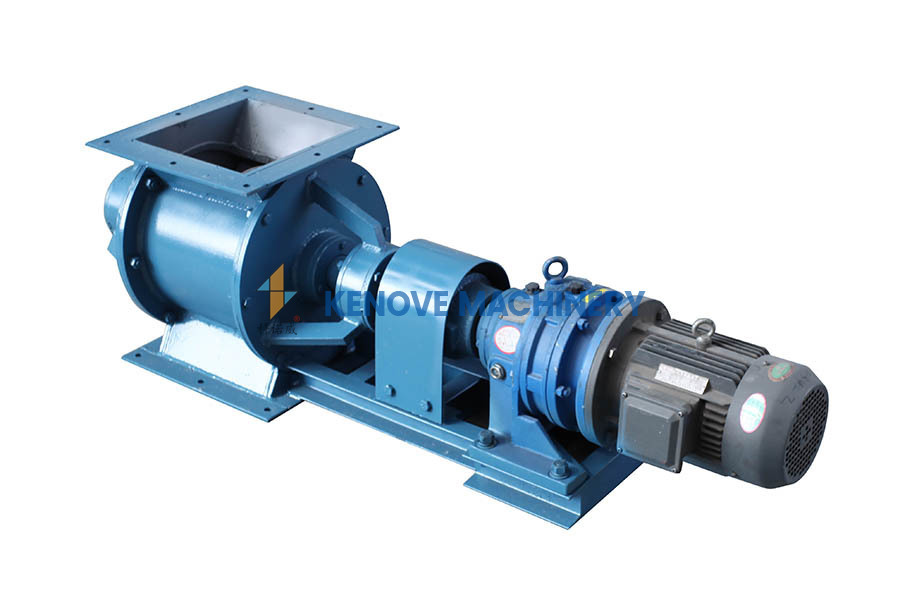
Rotary blanking valves are devices that use a rotating mechanism to either open or close the flow of liquids or gases within a system. Unlike traditional valves, which may function through linear movement, rotary valves provide a more compact and efficient solution for managing fluid dynamics in agricultural machines.
The Mechanism Behind Rotary Blanking Valves
The basic operation of a rotary blanking valve involves a rotary plug that rotates within a housing. This rotation either allows or restricts the flow of fluids through the valve. The design can vary, but the essential principle remains the same: to provide precise control over the medium being transported.
Importance of Rotary Blanking Valves in Agriculture
The significance of rotary blanking valves in agricultural machinery cannot be overstated. These components contribute to the overall efficiency, safety, and functionality of various agricultural applications.
Efficiency in Fluid Control
One primary benefit of rotary blanking valves is their efficiency in controlling fluid flows. By providing adjustable flow rates, these valves ensure that agricultural machines can operate under optimal conditions. This efficiency translates to improved fuel consumption and reduced operational costs.
Durability and Reliability
Rotary blanking valves are typically designed with robust materials that withstand the harsh environments of agricultural operations. Their durability ensures a longer lifespan, reducing the frequency of replacements and repairs. This reliability is crucial for farmers, who depend on their machinery to perform consistently.
Cost Savings Through Effective Maintenance
Regular maintenance of rotary blanking valves can lead to significant cost savings over time. By ensuring these valves function properly, operators can prevent costly downtime and extend the overall life of their machinery. This proactive approach results in better resource allocation and maximized productivity.
Applications of Rotary Blanking Valves in Agricultural Machinery
Rotary blanking valves find their application in various types of agricultural machinery, serving multiple functions that enhance productivity and efficiency.
Sprayers and Fertilizer Equipment
In sprayers and fertilizer equipment, rotary blanking valves help maintain precise application rates. By controlling the flow of liquids, these valves ensure that the right amount of fertilizer or pesticide is delivered, promoting healthy crop growth while minimizing waste.
Irrigation Systems
In irrigation systems, rotary blanking valves play a vital role in managing water distribution. They allow farmers to adjust flow rates based on soil needs, ensuring that crops receive adequate moisture without overwatering. This functionality is essential for effective resource management.
Seeders and Planters
In seeders and planters, rotary blanking valves help regulate seed flow, ensuring proper spacing and depth. This precision is crucial for maximizing yield and minimizing seed waste, ultimately leading to more successful harvests.
Choosing the Right Rotary Blanking Valve
Selecting the appropriate rotary blanking valve for your agricultural machinery involves several considerations. Understanding your specific needs will help you make an informed decision.
Flow Capacity and Size
The flow capacity and size of the valve are critical factors to consider. Depending on the application, you need to choose a valve that can handle the required flow rates without compromising performance. It's essential to consult manufacturer specifications to ensure compatibility.
Material and Construction
Another factor to consider is the material and construction of the valve. Look for options that offer corrosion resistance and durability to withstand the challenging conditions typical in agricultural settings. Common materials include stainless steel and high-grade plastics.
Actuation Method
Rotary blanking valves can be operated manually or automatically. Depending on your machinery and workflow, you may prefer one method over the other. Automated options can provide enhanced control and ease of use, particularly in larger operations.
Maintenance Tips for Rotary Blanking Valves
Regular Inspections
Conduct regular inspections of your rotary blanking valves to identify any signs of wear or damage. Look for leaks, corrosion, or any irregularities in the valve operation. Early detection can prevent more significant issues down the line.
Cleaning and Lubrication
Keep the valves clean and free from debris. Regular cleaning can help maintain their performance and prevent blockages. Additionally, lubricate moving parts as recommended by the manufacturer to ensure smooth operation.
Replacement of Worn Parts
Over time, certain components of the rotary blanking valves may wear out. Be proactive in replacing worn parts to avoid compromising the valve’s performance. Always use OEM (Original Equipment Manufacturer) parts for replacements to maintain quality.
Common Issues and Troubleshooting
Even with proper maintenance, issues may arise with rotary blanking valves. Understanding common problems and how to troubleshoot them can save time and resources.
Leakage Problems
Leakage is one of the most common issues faced with rotary blanking valves. Check for loose fittings, damaged seals, or corrosion. Tightening connections or replacing seals can often resolve the issue.
Sticking or Jamming
If the valve becomes difficult to operate, it may be sticking or jamming due to debris buildup. Cleaning and lubricating the valve can often remedy this situation. If the problem persists, further inspection may be necessary.
Flow Rate Variability
Inconsistent flow rates can indicate a malfunctioning valve. Check for blockages within the valve or downstream components. Ensuring that the valve is sized correctly for the application can also prevent this issue.
FAQs About Rotary Blanking Valves in Agricultural Machinery
What is the primary function of a rotary blanking valve?
The primary function of a rotary blanking valve is to control the flow of fluids in agricultural machinery, allowing for precise management of liquids and gases.
How do I know if my rotary blanking valve needs maintenance?
Signs that your rotary blanking valve needs maintenance include leaks, reduced flow rates, or difficulties in operation. Regular inspections can help identify these issues early.
What materials are best for rotary blanking valves in agriculture?
Stainless steel and high-grade plastics are commonly used materials for rotary blanking valves due to their durability and corrosion resistance.
Can I install a rotary blanking valve myself?
While it is possible to install a rotary blanking valve yourself, it is advisable to consult with a professional or follow the manufacturer’s guidelines to ensure proper installation.
How often should rotary blanking valves be replaced?
The replacement frequency of rotary blanking valves can vary based on usage and maintenance. Regular inspections can help determine when a replacement is necessary.
Conclusion
In conclusion, rotary blanking valves are indispensable components in agricultural machinery that enhance efficiency, reliability, and cost-effectiveness. Understanding their functions, applications, and maintenance can significantly improve your farming operations. By investing in the right valves and committing to regular maintenance, you can ensure that your machinery operates at peak performance, leading to better yields and reduced operational costs. Equip yourself with the knowledge from this guide, and make informed decisions to optimize your agricultural practices.
Contact Us
Intersection of Yinhua Road And Fengshan Road,Pingyi County, Linyi City,Shandong,China
